
Understanding Sensitive Skin in Dogs
Choice of Dog Shampoos
Sensitive skin in dogs can manifest due to a variety of factors, often making it a concern for pet owners. One of the primary reasons for sensitive skin is genetic predisposition. Certain breeds, such as the Shar Pei or the West Highland White Terrier, are more susceptible to skin issues, which may be inherited from their lineage. This genetic makeup affects the skin’s barrier function, making it more prone to irritation and allergic reactions.
Environmental factors also play a critical role in developing sensitive skin. Seasonal changes can introduce a plethora of allergens such as pollen, dust mites, and mold into a dog’s environment. These allergens can cause significant distress, resulting in symptoms like itching and inflammation. Additionally, the use of harsh cleaning products, fragrances, or even the wrong type of shampoo can exacerbate skin sensitivity. Monitoring the dog’s exposure to these elements is crucial in identifying the root cause of the problem.
Common allergens that could impact a dog’s skin include food components, such as grains or proteins, and parasites like fleas and ticks. Affected dogs may exhibit various symptoms, such as redness, swelling, or rashes, particularly in areas where their skin is subjected to friction or moisture. Itching is frequently the most visible sign of skin sensitivity, prompting the dog to scratch, bite, or lick excessively, leading to further irritation.
Pet owners should observe their dogs for signs of discomfort and consult a veterinarian to determine if their pet has sensitive skin. Identifying the underlying cause of the sensitivity is essential in choosing appropriate treatments and preventative measures, such as specialized dog shampoos specifically designed for sensitive skin and allergies.
Signs Your Dog Needs a Special Shampoo
Dogs, much like humans, can experience a variety of skin irritations and sensitivities that may necessitate the use of specialized shampoos. Identifying the signs that your dog requires a special shampoo is critical for their health and comfort. One of the most common indicators is frequent scratching. If your dog appears to be scratching excessively, it may be a sign of underlying skin issues or allergies prompting a need for special care.
Another prominent sign is the presence of skin irritations, such as redness, flakiness, or inflammation. These symptoms can indicate that your pet’s skin is reacting poorly to regular shampoos or environmental factors. Furthermore, a dog suffering from skin irritations may exhibit signs of discomfort, such as licking or biting at specific areas of their body, which can exacerbate the condition.
Another indication that your dog may require specialized shampoo is the occurrence of recurrent skin infections. If your pet has a history of these infections, it is advisable to consult with a veterinarian who can recommend a suitable medicated shampoo. Similarly, if your dog’s fur appears dull or greasy despite regular bathing, this could signal that a different formulation is needed to address specific skin sensitivities.
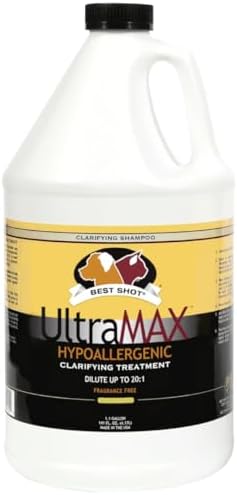


Lastly, assessing your pet for potential allergies or sensitivities can play a significant role in determining whether a special shampoo is necessary. Observing changes in your dog’s behavior, combined with visual symptoms, can help you discern their grooming needs. In cases where allergies are suspected, a hypoallergenic or specialized shampoo can significantly improve your dog’s skin condition, reinstating their comfort and overall well-being.
The Importance of Choosing the Right Ingredients
When selecting a dog shampoo, particularly for those with sensitive skin or allergies, understanding the ingredient list is crucial. Many commercial shampoos contain a variety of components that may exacerbate skin problems rather than alleviate them. Among these, synthetic fragrances and artificial dyes are commonly included but can lead to irritation and allergic reactions. These substances often mask the natural scent of the product while potentially inducing skin dryness and itchiness in pets.
Furthermore, harsh surfactants often found in traditional dog shampoos can strip the coat of essential oils, disrupting the natural barrier of the skin. This can result in a host of issues, including increased susceptibility to skin infections and deterioration of overall skin health. It is important to note that certain ingredients, while providing a pleasant washing experience, may not be conducive to maintaining the well-being of dogs with delicate skin.
In contrast, opting for products with natural or hypoallergenic ingredients can significantly mitigate these risks. Ingredients such as oatmeal, aloe vera, and coconut oil are recognized for their soothing properties, providing essential moisture without causing harm. These alternatives not only cleanse the coat effectively but also nourish and protect the skin. Additionally, hypoallergenic shampoos are specially formulated to minimize allergic reactions, making them an ideal choice for dogs prone to sensitivities.
When considering a dog shampoo for sensitive skin, always prioritize the integrity of the ingredients. Assessing labels and choosing products made with gentle, natural components can result in a healthier and more comfortable experience for your furry companion. Taking the time to research and select the appropriate ingredients will ensure your pet receives the care they deserve without compromising their skin’s health.
Benefits of Fragrance-Free and Dye-Free Shampoos
When considering the best dog shampoos for pets with sensitive skin and allergies, fragrance-free and dye-free options are particularly valuable. These formulations are designed to minimize the risk of skin irritation, a common concern among pets with sensitive skin. Fragrances, even those derived from natural sources, can provoke allergic reactions or discomfort for certain dogs. By opting for shampoos without added scents, pet owners can significantly reduce the likelihood of adverse reactions.
Moreover, many commercial shampoos contain synthetic dyes that serve little purpose beyond aesthetics, potentially leading to skin issues. Dye-free shampoos eliminate the risks associated with these artificial colorants, providing a gentler alternative. The absence of fragrances and dyes contributes to a more harmonious bathing experience for dogs, making it less likely for them to experience discomfort or agitation during and after the wash.
In addition to minimizing irritation and allergy risks, fragrance-free and dye-free shampoos support overall skin health. These shampoos are often formulated with gentle, natural ingredients that cleanse the fur without stripping the skin of its natural oils. This is particularly important for dogs that may already be suffering from dryness or inflammation. Maintaining an optimal moisture balance helps prevent further skin conditions, such as dermatitis, which can arise from regular exposure to harsh chemicals.
Ultimately, choosing fragrance-free and dye-free shampoos not only caters to the immediate needs of dogs with sensitive skin and allergies but also promotes long-term skin health. Pet owners who prioritize these gentle formulations contribute significantly to their dogs’ comfort and well-being, leading to a happier life for their furry companions.


Safe Options for Puppies and Dogs Needing Frequent Baths
When it comes to maintaining the hygiene of puppies and dogs that require frequent baths, choosing a safe and gentle shampoo is of paramount importance. Many dogs, particularly those with sensitive skin or allergies, may suffer adverse reactions to harsh chemicals found in conventional shampoos. Therefore, selecting a shampoo specifically formulated for sensitive skin can significantly contribute to skin and coat health.
Gentle shampoos often contain natural ingredients aimed at soothing and nourishing the skin. These formulations typically incorporate oatmeal, aloe vera, or chamomile, which are known for their moisturizing and calming properties. Such ingredients help alleviate itching and irritation, ensuring that regular baths do not exacerbate existing skin conditions. Additionally, natural shampoos are less likely to strip away essential oils that protect the skin and coat. Maintaining these oils is crucial, as they serve to shield the skin from environmental irritants and keep it hydrated.
Moreover, hypoallergenic shampoos are specifically designed for dogs with allergies or sensitive skin. These products are carefully crafted to minimize the risk of allergic reactions by avoiding common irritants such as sulfates, parabens, or artificial fragrances. Instead, they utilize natural, non-toxic components that remain effective in cleansing without causing distress. By opting for these safer alternatives, pet owners can establish a routine that supports their dog’s health without compromising comfort.
Puppies, with their more delicate skin, particularly benefit from these gentle, formulated options. Regular bathing is important for them, especially as they explore their environment. Choosing a shampoo that is designed with their needs in mind not only promotes overall cleanliness but also strengthens the bond between pet and owner, creating a positive bathing experience that enhances the well-being of any dog.
How to Choose the Right Shampoo for Your Dog
Choosing the right shampoo for your dog is a critical step in maintaining their health and well-being, especially for those with sensitive skin or allergies. Various factors should be considered to ensure that the selected shampoo meets your dog’s unique needs.
Consider Your Dog’s Age: Puppies and senior dogs often require specialized products. Younger dogs may have more sensitive skin, necessitating a mild, tear-free formula. Conversely, older dogs might benefit from shampoos enriched with moisturizing agents to alleviate dryness.
Know Your Dog’s Breed: Different breeds have specific coat types that influence their shampoo requirements. For instance, breeds with long hair often benefit from conditioners that detangle, while short-haired breeds may need less complex formulations. It is advisable to research breed-specific needs to enhance your dog’s grooming routine.
Assess Skin Type: Determine whether your dog has normal, dry, oily, or sensitive skin. Dogs with sensitive skin are particularly vulnerable to irritation from harsh chemicals; hence, natural, hypoallergenic shampoos are ideal. Additionally, if your dog tends to have oily skin, a clarifying shampoo could help clean excess oil without over-drying.
Identify Known Allergies: Before selecting a shampoo, consult your veterinarian to discuss any known allergies or skin conditions. It is essential to avoid shampoos containing allergens identified in your dog’s history. Labels should be carefully reviewed, and opting for fragrance-free products can often mitigate allergy flare-ups.
By considering these factors—age, breed, skin type, and allergies—you can make a more informed decision when purchasing a shampoo for your dog. Choosing the right product not only helps manage skin conditions but also contributes to your dog’s overall happiness and comfort.
Trending Pet Industry: GLP-1 Medication for Cats
Top Recommended Shampoos for Sensitive Skin and Allergies
Choosing the right shampoo for dogs with sensitive skin and allergies is essential to maintain their overall health and well-being. Below is a curated list of shampoos that are highly recommended by both pet owners and veterinarians for their gentle yet effective formulations.
1. Veterinary Formula Clinical Care Hypoallergenic Shampoo – This shampoo is specifically formulated for dogs with sensitivities and allergies. It contains no fragrances or dyes, reducing the risk of irritation. The key ingredients include aloe vera and oatmeal, which help to soothe the skin and provide relief from itching.
2. Earthbath Oatmeal & Aloe Dog Shampoo – A popular choice among dog owners, this shampoo is made with natural ingredients such as oatmeal and aloe vera. These components work together to gently cleanse the coat while also moisturizing the skin, making it suitable for dogs prone to dryness and irritation.
3. PetMD Hypoallergenic Dog Shampoo – Developed in collaboration with veterinarians, this hypoallergenic shampoo meets the needs of dogs with skin sensitivities. It includes ingredients like chamomile to soothe the skin and mitigate allergic reactions. Its gentle formula ensures that it is safe for regular use.
4. TropiClean Hypoallergenic Pet Shampoo – This shampoo is formulated specifically for sensitive skin, using hypoallergenic ingredients that cleanse without causing harm. It features green tea and oatmeal, which act as natural anti-inflammatories, alleviating discomfort and enhancing skin hydration.
5. Burt’s Bees for Dogs Natural Shampoo – Recognized for its natural ingredients, this shampoo is free from sulfates and parabens, making it a safe choice for dogs with allergies. The formula with honey and beeswax nourishes the skin, while the gentle cleanse leaves the coat soft and manageable.
Each of these shampoos offers unique benefits tailored for dogs with sensitive skin and allergies. It is essential to consult with your veterinarian to determine the best option for your pet’s specific needs.

Bathing Techniques for Dogs with Sensitive Skin
Bathing dogs with sensitive skin requires an approach that prioritizes comfort and safety while ensuring the dog remains clean. The first step is to select the appropriate water temperature. Lukewarm water is ideal, as it helps to soothe the skin and prevent potential irritation that can occur with water that is too hot or cold. It is advisable to test the water temperature with your wrist before proceeding to ensure it is comfortable for the dog.
Frequency of bathing is another important consideration. For dogs with sensitive skin, frequent baths using gentle shampoos can lead to dryness and irritation. It is typically recommended to bathe these dogs once every 4 to 6 weeks, unless they become particularly dirty or smelly. When selecting a shampoo, choose one that is specifically formulated for sensitive skin and free from harsh chemicals and fragrances, as these can exacerbate skin issues.
During the bathing process, use gentle techniques to wash your dog. Start by thoroughly wetting the coat, moving from the neck down to the tail, while avoiding the eyes and ears. Apply a small amount of dog shampoo and work it into the fur, ensuring even distribution. Rinse thoroughly to remove all soap residues, as leftover shampoo can irritate sensitive skin. After bathing, it is essential to dry the dog properly, using a soft towel or a low-heat setting on a blow dryer. Be careful not to rub vigorously, as this can cause further irritation.
Post-bath care is essential; consider applying a fragrance-free conditioner formulated for sensitive skin to help maintain moisture. Monitor your dog for any signs of discomfort or skin issues after bathing, and consult a veterinarian if any adverse reactions occur. Following these techniques can help maintain the skin health of dogs with sensitivities.
Winter and Your Dog with Driveway Salt? Consider Options for Dog Safety
When to Seek Veterinary Advice
As a responsible dog owner, understanding when to seek veterinary advice for skin issues is crucial. While home care solutions, such as using dog shampoos formulated for sensitive skin, often alleviate minor irritations, certain circumstances signal the need for professional intervention. Observing your dog’s behavior and physical symptoms can help in determining the appropriate course of action.
If your dog exhibits persistent itching, redness, or inflammation, it may indicate a more serious underlying condition such as allergies, skin infections, or parasites. In such cases, relying solely on commercial shampoos may not be sufficient. Furthermore, if you notice unusual symptoms like excessive hair loss, swelling, or the development of sores, these are clear indications to consult with a veterinarian.
Another critical factor to consider is the duration of the skin issue. If your dog’s symptoms do not improve after a few days of using specialized dog shampoos designed for sensitive skin, it is advisable to contact a veterinary professional. Additionally, if there are any signs of secondary infections, such as pus or foul odor, immediate veterinary assistance is necessary.
Other situations warranting a veterinary visit include severe reactions to topical treatments or shampoos, such as hives or difficulty breathing, which may indicate a serious allergic reaction. Always keep an eye on your pet’s overall health, as skin issues are often symptoms of broader health concerns. Early intervention can prevent complications and ensure your dog receives the most appropriate treatment.
In summary, recognizing the signs that require veterinary attention is essential for your dog’s well-being. When in doubt, err on the side of caution and seek professional guidance to address your dog’s skin issues effectively.