
Understanding Your Pet’s Fear of Fireworks
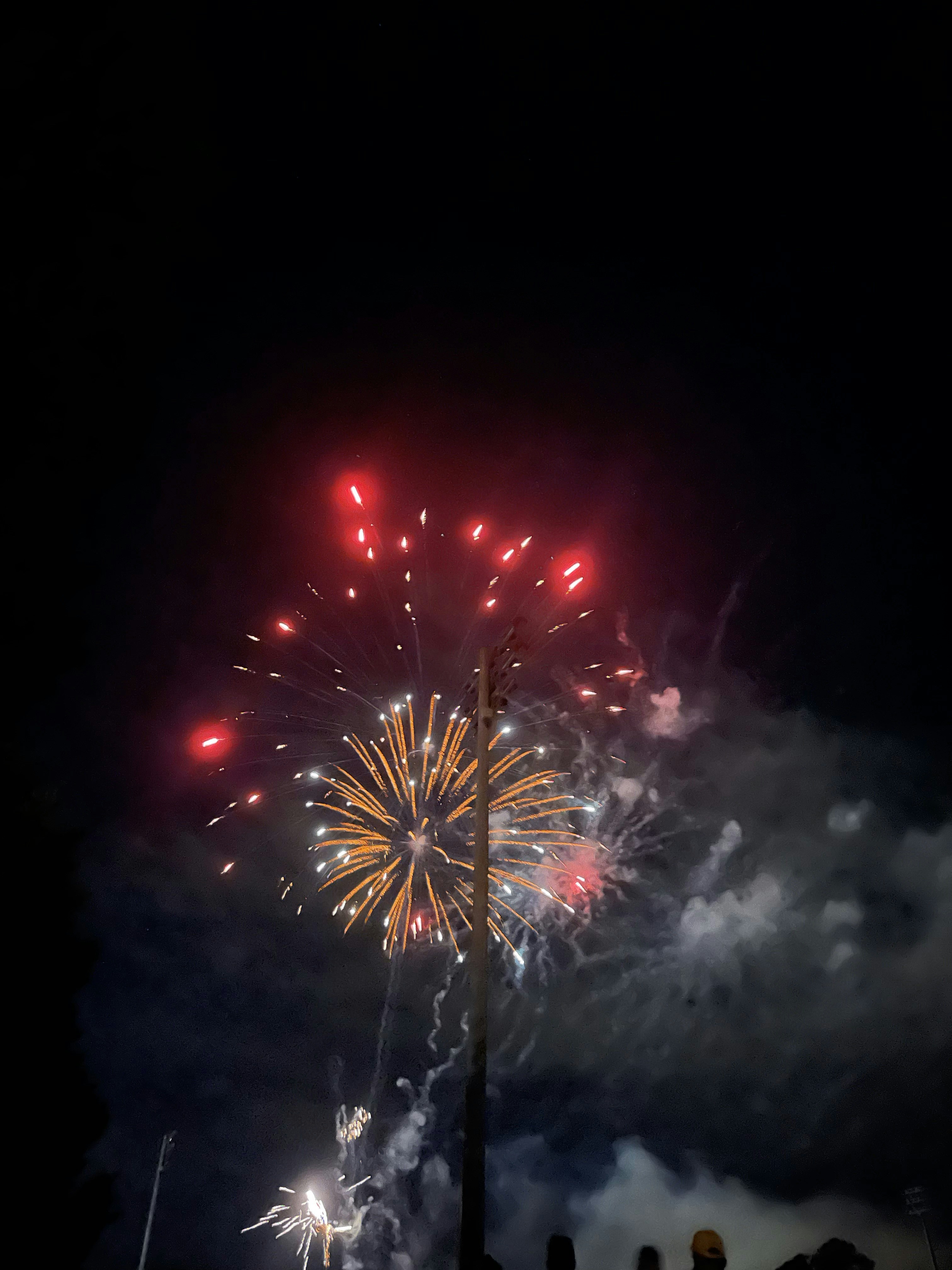
The fear that many pets, especially dogs and cats, exhibit during fireworks is a common and well-documented phenomenon. One of the primary reasons for this fear is their acute sense of hearing, which is significantly more sensitive than that of humans. While the sounds produced by fireworks may seem exhilarating to us, pets perceive these loud noises as threatening and disorienting. The sudden booms and crackles can cause a heightened state of anxiety and stress, as they often fail to understand the source of the disturbances.
Additionally, the bright flashes of light associated with fireworks can further exacerbate a pet’s fear. The confusion and intensity of these sensory experiences can trigger instinctual responses akin to those encountered in nature; loud sounds may suggest danger, prompting pets to seek shelter or safety. Consequently, many pets may react by exhibiting behaviors such as hiding, becoming excessively vocal through barking or meowing, or pacing restlessly in response to the chaos surrounding them.
Various signs of anxiety can manifest differently among individual pets. Some may seek comfort from their owners, while others may retreat to a quiet corner in the home. Additionally, increased heart rates and trembling are also common physical reactions when pets are confronted with the loud noises of fireworks. Understanding these behavioral patterns is crucial for pet owners as it allows them to recognize the signs of fear and anxiety in their pets. By acknowledging how fireworks impact their pets, owners can take proactive steps to alleviate their discomfort, ensuring a safer and more reassuring environment during such events.
Related: Dog Anxiety Jackets for your Pet: Here
Preparing for Fireworks: Prevention Tips
As fireworks season approaches, it is essential for pet owners to take proactive steps to ensure their pets remain safe and comfortable during these potentially distressing events. One of the primary strategies is to create a designated safe space within the home. This area should be quiet, away from windows, and filled with comforting items such as your pet’s favorite bed, toys, and blankets. This secure environment can help mitigate anxiety when the loud noises begin.
In addition to a safe haven, pet owners might consider using calming aids. These can include anxiety wraps, pheromone diffusers, or calming treats designed to ease stress in pets. Behavioral modifications, such as desensitization to loud noises, can also be beneficial if practiced well in advance of fireworks events. Engaging your pet in fun distractions like interactive toys or soothing music can further alleviate anxiety.

- 【Effectively Calming Dog Within Two Weeks】You don’t have to worry about your dog barking, seperation anxiety or other an…
- 【6 IN 1 Diffuser Kit- Veterinary Recommendation】The diffuser refill kit includes 2 diffuser head, 4 x 48ml refills, enou…
- 【Covers 700 Square Feet】The dog pheromones calming diffuser kit easily covers an area of up to 700 square feet and can b…
Identification is paramount during fireworks, as many pets may attempt to escape due to fear. All pets should wear collars with updated tags, and it is advisable to have them microchipped as an extra precaution. This ensures that, should a pet go missing, they can be identified and returned to their owners swiftly.
For those who wish to keep their pets calm, remaining home during fireworks displays can make a significant difference. Your presence can provide comfort and reassurance to your pets, helping them feel secure in their surroundings. A consistent routine leading up to and during fireworks can also help in reducing anxiety levels. Engaging in familiar activities or adhering to a schedule can create a sense of stability, making this challenging time more manageable for both pets and their owners.
Coping Strategies During Fireworks Events
Fireworks can be a stressful time for pets, as the loud noises and flashing lights may cause anxiety and panic. Pet parents can employ several coping strategies to help alleviate their pets’ distress and create a more secure environment.
One effective method is to play calming music. Studies have shown that certain types of music can have a soothing effect on animals. Selecting playlists designed specifically for pets can be beneficial. This strategy not only helps mask the sound of fireworks but also promotes relaxation for your pet.
Another valuable tool in calming anxious pets is the use of anxiety wraps or compression shirts. These garments apply gentle pressure to the pet’s body, similar to a hug, which can help reduce fear and anxiety responses. Many pet owners have reported improved behavior in their pets when these products are used during fireworks displays.
Premium Pet Health Needs for Your Pet
Creating a quiet, serene environment is essential for helping your pet cope with the stress of fireworks. Designate a safe space in your home where your pet can feel secure. This area should be filled with items that comfort your pet, such as their favorite toys and blankets. Additionally, closing windows and curtains can help muffle the sounds and diminish the visual impact of the fireworks.
Distraction techniques may also prove useful. Engaging your pet in play with interactive toys or games can shift their focus away from the fireworks. Offering treats or conducting training sessions in this environment can further divert their attention and provide mental stimulation.
By employing these coping strategies, pet parents can significantly reduce their pets’ anxiety during fireworks events, ensuring that their furry companions feel safe and secure amid the chaos. These proactive measures can foster a more positive experience for pets and their owners alike.
What to Do If Your Pet Escapes
Fireworks can be extremely distressing for pets, potentially causing them to flee in fear. If your pet manages to escape during a fireworks display, it is crucial to remain calm and take immediate action to ensure their safe return. Your first step should be to search your neighborhood thoroughly. Start by calling your pet’s name and listening for any responses, as familiar sounds may help guide them back to you. It’s advisable to check popular hiding spots such as under vehicles, bushes, or in backyards.
Next, it is essential to inform your neighbors about the situation. Many times, neighbors may have spotted your pet and can assist in its recovery. Consider asking them to keep any outside lights on during the search. You might also want to create and distribute flyers containing a clear photo of your pet, a brief description, and your contact information. Place these flyers on community boards, nearby vet clinics, and local pet stores to reach a broad audience.
Utilizing social media platforms can significantly enhance your search efforts. Post updates, images, and detailed descriptions of your lost pet across platforms such as Facebook, Twitter, and Instagram. Local community groups and pet recovery networks can also be invaluable resources. Be sure to ask people to share your posts to increase visibility.
To prevent such incidents in the future, consider reinforcing security measures at home. Always ensure windows and doors are secured during fireworks, and create a safe space for your pet that feels secure and comforting. Additionally, keeping your pet’s identification, including microchip information and ID tags, updated is vital. Regularly verify that all contact information is current to facilitate a swift reunion should your pet escape.