
Introduction to Elevated Dog Bowls
Elevated dog bowls, as the name suggests, are feeding bowls that are raised off the ground, typically supported by a frame or stand. This design distinguishes them from standard dog bowls, which sit directly on the floor. The increased height of elevated bowls can provide several benefits for both dogs and their owners, contributing to their growing popularity among pet owners in recent years.
One of the primary advantages of elevated dog bowls is their ergonomic benefits. When dogs eat from a raised bowl, they do not have to bend down as far to access their food and water, which can be particularly beneficial for larger breeds, senior dogs, or those suffering from joint issues. This design can lead to improved posture and can even facilitate better digestion, as it allows for a more comfortable eating position.
In addition to the health benefits, elevated bowls often appeal to pet owners due to their aesthetic qualities. These bowls are available in various styles, materials, and colors, allowing for better integration into home decor. Many pet owners appreciate the clean look that elevated dog bowls provide, which can complement modern or contemporary home designs, making feeding time a stylish affair.
Furthermore, elevated dog bowls can help keep the feeding area cleaner. Because they are raised, they are less likely to be tipped over or splashed on the floor, and they can minimize the chances of pets making a mess while eating. This added convenience for owners makes elevated bowls even more appealing.
Overall, elevated dog bowls present a combination of ergonomic design, aesthetic appeal, and practical benefits, making them a popular choice among pet owners looking to improve their pets’ feeding experience.
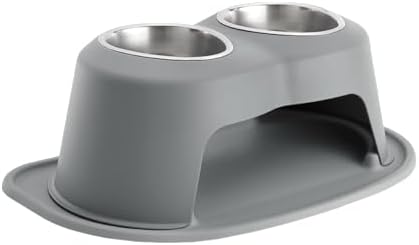
- Made by WeatherTech in the USA!
- Includes: 2 – 32 oz (4 Cups) Bowls & 1 – Stand & Mat (15″ Deep X 23.5″ Wide x 8″ Tall)
- Color: Dark Grey

- 🐕Adjustable Height Dog Bowl Stand for Dogs of All Sizes: Say goodbye to bending down! Our elevated dog bowls can be adju…
- 🐕Neck and Joint Protection: Our raised dog food bowls not only help the dogs eat more ergonomically, protecting their ne…
- 🐕Dual 50 oz Thickened Stainless Steel Bowls with Larger Capacity: Welcome to compare! We’ve upgraded our stainless steel…
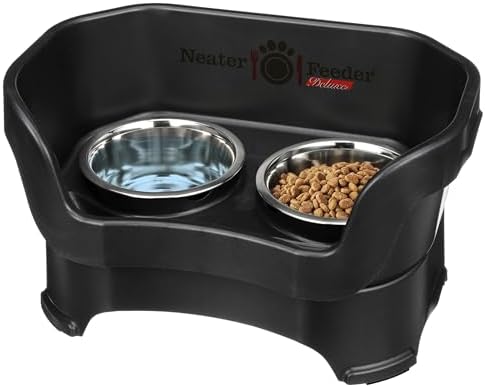
- MESS-PROOF DOG FEEDING STATION: With the Neater Feeder raised dog bowl stand, spilled food is separated and contained at…
- RAISED DOG BOWLS FOR MEDIUM DOGS: Designed for medium-sized dogs like Beagles, Corgis, and Bulldogs, the Neater Feeder M…
- BENEFITS OF USING A RAISED DOG BOWL: This dog feeder is raised to provide a more comfortable feeding position. Raised do…
The Rise in Popularity of Slow Feeders
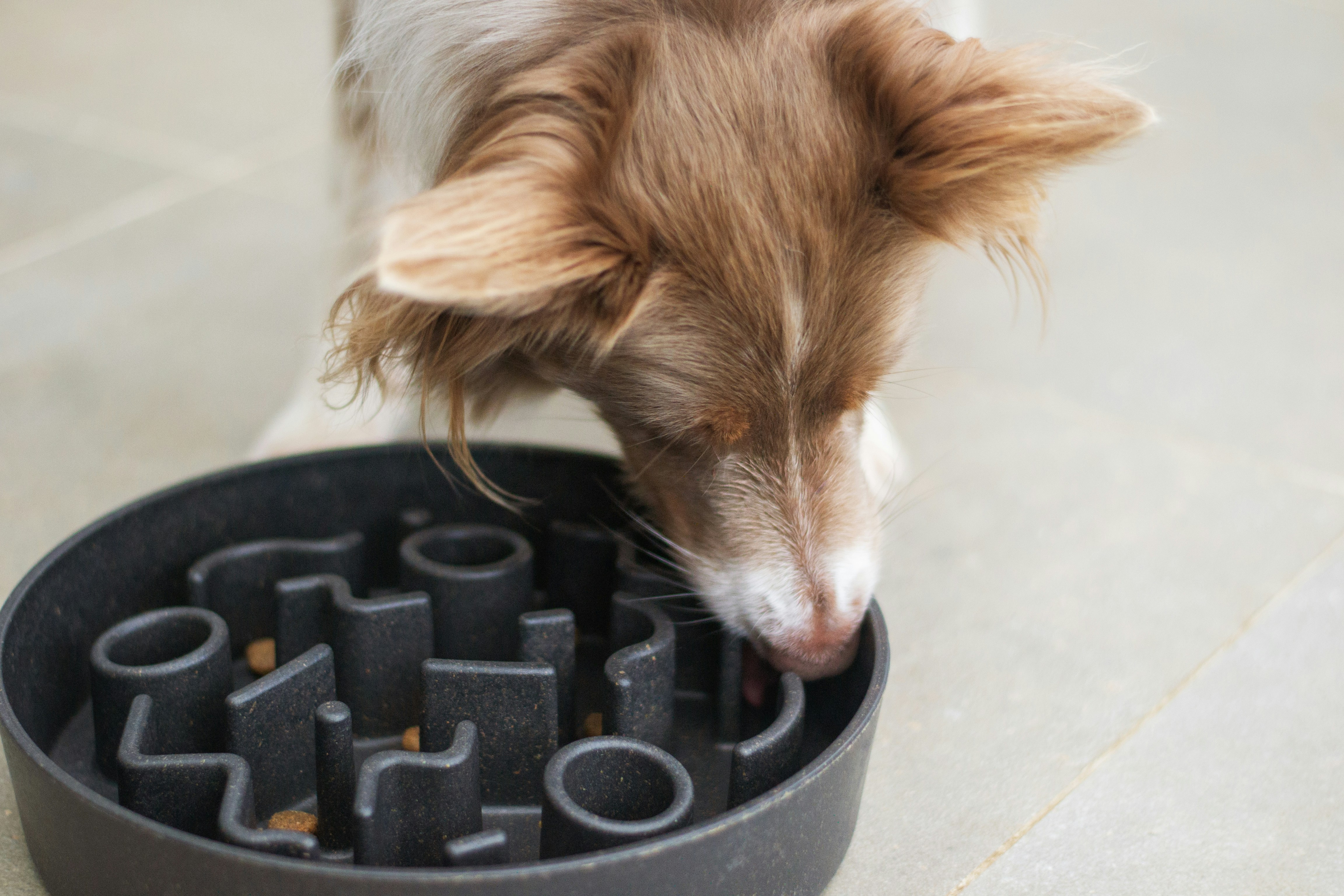
In recent years, the use of slow feeders has garnered considerable attention among pet owners, becoming a notable segment of the elevated dog bowl trend. These specially designed feeding bowls aim to slow down a dog’s eating speed by introducing obstacles that require the dog to navigate around to access the food. Typically, slow feeders feature raised ridges or compartments that effectively divide the food into smaller portions, promoting healthier eating habits.
The appeal of slow feeders lies predominantly in their ability to address a common problem faced by many dog owners: the issue of dogs that bolt their food. Dogs that eat too quickly are at risk of various health complications, including bloating and digestive distress. By using elevated dog bowls that incorporate slow feeding mechanisms, pet owners can mitigate these risks while also transforming mealtime into a more engaging experience for their pets.
Related: Dog Slow Feeders
Moreover, slow feeders can serve to mentally stimulate dogs, as they must work to figure out how to reach their kibble. This not only helps in controlling their pace but also can reduce boredom, thereby minimizing destructive behaviors often associated with unengaged dogs. Some elevated dog bowls come equipped with removable slow feeder attachments, allowing owners to customize their dog’s dining experience according to individual needs. The versatility offered by these bowls further enhances their popularity among a diverse range of dogs, from avid eaters to those requiring a more regulated feeding process.
Overall, the proliferation of slow feeders as part of the elevated dog bowl trend emphasizes a growing awareness of canine health and well-being. Pet owners are increasingly recognizing that thoughtful design and functionality in dog feeding products can contribute significantly to their pets’ quality of life.
Is Oatmeal Shampoo good for your dog?
Related: Mental Stimulation for Dogs
Veterinary Insights on Elevated Bowls
Veterinary research continues to examine the impact of elevated dog bowls on canine health, focusing on both benefits and potential limitations. Various studies have highlighted that elevated bowls can improve neck posture, particularly for larger breeds, by allowing them to eat and drink without excessive strain. This can lead to increased comfort during feeding, promoting a healthier eating posture.
Some veterinarians recommend elevated dog bowls for dogs suffering from arthritis or other musculoskeletal issues. The height of these bowls may reduce stress on the dog’s joints, which is especially beneficial for senior dogs that may struggle with bending down to the ground. Additionally, studies suggest that dogs with certain health conditions, like megaesophagus, can benefit significantly from elevation as it encourages proper food and water intake, potentially reducing the risk of aspiration.
However, it is also imperative to consider potential drawbacks. Some research indicates that elevated dog bowls may increase the risk of bloat—also known as gastric dilatation-volvulus (GDV)—in certain breeds, particularly large and deep-chested ones. Veterinarians often advise dog owners to consult with professionals to assess their pet’s individual needs and risks before transitioning to elevated dining solutions.
Overall, while elevated dog bowls can provide distinct advantages for many dogs, the recommendations may vary significantly among breeds and individual health scenarios. Observing how your pet responds to an elevated bowl and adjusting accordingly is essential. Consulting with a veterinarian is crucial to ensure that the transition to elevated feeding supports your dog’s health rather than compromising it.
Potential Benefits of Elevated Dog Bowls
Elevated dog bowls serve various purposes and can provide significant advantages for certain groups of dogs. One of the primary benefits of using elevated dog bowls is the alleviation of strain on a dog’s neck and joints, particularly for older dogs or those suffering from specific health conditions. As dogs age or develop conditions such as arthritis, they may experience discomfort while bending down to reach their food and water. Elevated bowls allow these dogs to maintain a more natural posture, reducing the need to stretch or strain their bodies during mealtime.
Moreover, large breeds often face similar challenges due to their size. For these dogs, feeding from the ground can lead to awkward angles that cause unnecessary physical strain. Elevated bowls can provide larger breeds with a more ergonomic feeding solution, helping to prevent musculoskeletal problems associated with frequent bending. This can be especially crucial for breeds prone to hip dysplasia or other joint-related issues.
In addition to physical ailments, elevated dog bowls can also help improve digestion in certain cases. By allowing dogs to eat in a more upright position, these bowls may facilitate better swallowing and decrease the likelihood of choking. Some studies have suggested that upright feeding can lead to reduced incidences of bloat, particularly in deep-chested breeds, a serious condition that requires prompt attention.
It is important for pet owners to observe their dogs’ behavior and health when introducing elevated bowls. Each dog has unique needs, and while elevated bowls can be beneficial, they may not suit every dog. Therefore, owners should consider their dog’s individual health conditions, size, and feeding habits before making a transition to elevated dog bowls.
Limitations and Risks of Elevated Dog Bowls
While elevated dog bowls offer various advantages for pet owners and their furry friends, some potential drawbacks and risks warrant consideration. One of the primary concerns associated with elevated feeding setups is the increased risk of bloat, particularly in large breed dogs. Bloat, or gastric dilatation-volvulus (GDV), can lead to a life-threatening condition where the stomach fills with gas and may twist. Some studies suggest that feeding dogs at an elevation might contribute to this condition due to the way it alters their natural posture while eating.
Additionally, certain breeds that are predisposed to bloat may exhibit heightened vulnerability when using elevated dog bowls. Breeds such as Great Danes, Boxers, and Doberman Pinschers may face a greater likelihood of developing such issues if fed at an elevated height. Experts recommend that pet owners of these breeds closely monitor their dogs’ eating habits and consider whether to use elevated feeders in light of these potential risks.
Moreover, elevated bowls might not be suitable for all dogs. For instance, dogs with neck or spinal problems may struggle with the position of elevated bowls, leading to discomfort or exacerbation of their existing conditions. Furthermore, older dogs or those recovering from surgery should consult their veterinarians before using elevated feeders, as this could hinder their healing process or physical ability.
Lastly, while many elevated dog bowls are designed for easy access, they may inadvertently lead to increased mess around the feeding area, especially in more exuberant eaters. Dog owners must weigh these limitations against the benefits to ensure they are making the best choice for their pet’s health and well-being.
Slow Feeders: Who Needs Them?
Slow feeders are designed to encourage dogs to eat at a more controlled pace, benefiting various breeds that may struggle with overeating or digestive issues. Certain dog breeds, particularly those known for their enthusiastic eating habits, stand to gain significantly from the use of elevated dog bowls incorporated with slow feed technology. Breeds such as Labradors, Beagles, and Golden Retrievers, notorious for their voracious appetites, can greatly benefit from these feeders that promote a healthier and more mindful eating process.
In addition to managing overeating tendencies, slow feeders are instrumental for dogs with specific digestive concerns. Dogs that are prone to gastric torsion, commonly referred to as bloat, may experience exacerbated symptoms when they consume their food too quickly. By utilizing slow feeders, these dogs can reduce the risk of such serious health complications, as the design encourages them to take smaller bites and chew their food more thoroughly. This not only aids in digestion but also mitigates the risk of choking, thereby promoting overall health and well-being.
Moreover, slow feeders can play a crucial role in establishing healthier eating habits in dogs that may otherwise demonstrate irregular feeding patterns. Dogs that tend to gulp their food may not only be at risk for potential health issues but also may not experience the satisfaction associated with a well-paced meal. By integrating elevated dog bowls with slow feeders, pet owners can encourage their furry friends to enjoy their meals slowly, fostering a more enjoyable and fulfilling dining experience. Thus, the suitability and effectiveness of slow feeders may vary based on individual dog needs, emphasizing the importance of selecting the right feeding solution for each unique canine companion.

- GOOD EATING HABITS START NOW: This cat slow feeder bowl features multiple raised banana-shaped ridges that add a gentle …
- SELECTED HIGH-QUALITY CERAMIC: This slow feeder for cats is made of premium food-grade ceramic that is lead-free and cad…
- EXTRA WIDE & NON-SLIP DESIGN: The large 6.3-inch diameter allows your cat to easily access food without pressing against…
Practical Considerations When Choosing Bowls
When selecting the most suitable feeding bowl for your dog, several practical factors must be considered to ensure their comfort and health. Elevated dog bowls and slow feeders each have unique advantages, thus understanding your pet’s individual needs is paramount. First and foremost, dog size plays a significant role in bowl choice. Larger breeds often benefit from elevated bowls that reduce strain on their necks and joints during meals. Conversely, smaller dogs might find elevated bowls cumbersome and prefer standard or slow feeders designed to fit their scale.
Another crucial factor is the dog’s eating habits. If your dog tends to gobble food quickly, a slow feeder can encourage slower consumption and minimize the risk of bloating. These bowls often have varying designs, featuring obstacles to separate food, making it harder for your pet to eat too rapidly. Match the bowl’s type to your dog’s unique eating style to promote better digestion.
Specific needs, such as medical conditions or physical disabilities, should also guide your bowl selection. For example, dogs with arthritis may require elevated bowls to make eating easier, while older dogs may benefit from bowls that prevent slippage and spills. Introducing new feeding equipment can sometimes be a challenge. Gradually acclimating your pet to a new elevated dog bowl or slow feeder can ease the transition. Start by allowing them to explore the new bowl without food, then add a small amount of their favorite kibble to entice them. Monitor their behavior and be patient, as some dogs may take time to adjust.
Expert Opinions and Owner Experiences
Elevated dog bowls have gained popularity among pet owners, trainers, and veterinarians alike. Many believe these feeding solutions can enhance a pet’s dining experience. For instance, Dr. Lisa Jennings, a veterinarian, points out, “Elevated bowls can foster better posture during meals. This is particularly beneficial for larger breeds or dogs with orthopedic issues. The elevated position reduces strain on their necks and backs while eating or drinking.” Such insights underscore the physical advantages that elevated feeding solutions provide.
Moreover, anecdotal evidence from dog owners demonstrates varied responses to elevated dog bowls. Jane, a proud Golden Retriever owner, remarked, “When I switched to an elevated feeder, I noticed my dog was able to eat without struggling to bend down. He seems more comfortable and enjoys his meals more now.” This experience is echoed by many who feel that their dogs have adapted well and reacted positively to this change.
Conversely, some pet owners have encountered challenges with elevated bowls. Mark, a Shih Tzu owner, shared his concerns: “I purchased an elevated bowl but soon realized my dog would eat too quickly, causing digestive problems. It wasn’t until I switched to a slow feeder that my dog’s eating habits improved significantly.” This perspective highlights the importance of tailoring feeding solutions to specific pet needs. Not every elevated dog bowl is suitable for every dog, and some may require additional features like slow-feeding mechanisms to support proper digestion.
Overall, the insights from both experts and owners provide a balanced view of elevated bowls. While they can benefit many dogs, individual preferences and health will determine the best feeding method for each pet. Careful consideration should be given to an animal’s specific needs, leading to a more positive mealtime experience.
Conclusion: Making Informed Choices for Your Dog
In reviewing the various benefits and limitations associated with elevated dog bowls, it is essential to recognize that every dog is unique, with individual needs that can influence their feeding preferences. Elevated dog bowls can enhance posture and assist dogs with mobility issues by reducing strain during mealtime. Additionally, these bowls can also promote better digestion for some dogs, further contributing to their overall health and well-being. However, it is crucial to note that not all dogs will necessarily benefit from an elevated feeding setup, and some could even experience complications such as bloating.
When considering whether to integrate elevated dog bowls into your pet’s feeding routine, several factors must be assessed, including the dog’s breed, age, and any pre-existing health conditions. Larger breed dogs may find elevated bowls beneficial due to their size, while smaller dogs might not see substantial advantages and might actually fare better with standard bowls at ground level. Furthermore, consultation with a veterinarian is highly recommended before implementing significant changes to your dog’s feeding practices. A vet’s insights can help determine the appropriateness of elevated bowls for your specific pet.
Ultimately, choosing the right feeding arrangement for your dog should prioritize their comfort and health. By evaluating the various pros and cons associated with elevated dog bowls, you can make an informed, thoughtful decision that caters to your furry friend’s needs, ensuring they eat in a manner that supports their overall well-being.
Related: Do you have a Pet First Aid Kit?