
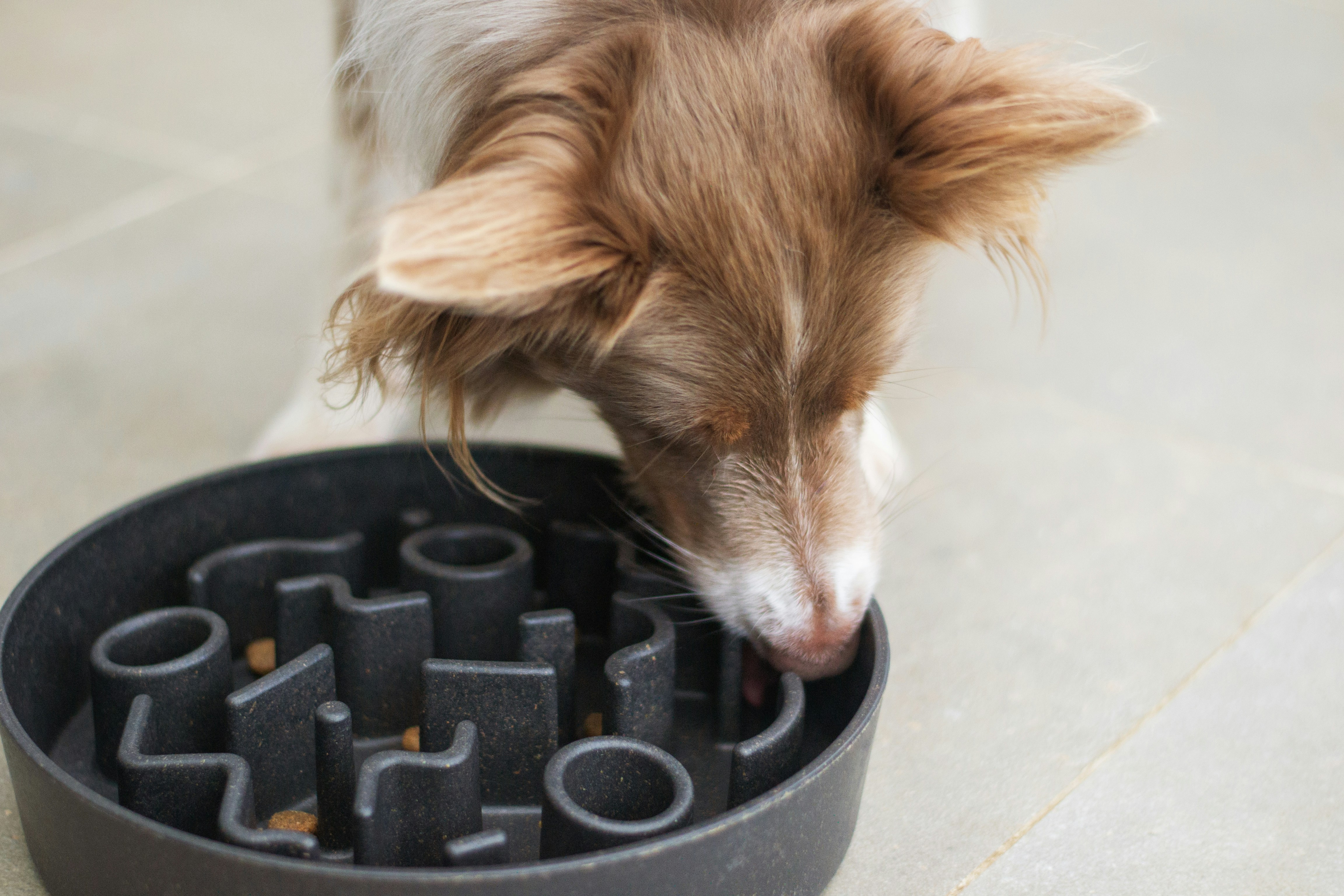
Introduction to Slow Feeders for Dogs
Slow feeders for dogs are specialized feeding bowls designed to slow down a dog’s eating pace. Unlike traditional dog bowls where food is spread out evenly, slow feeders feature a variety of obstacles, such as ridges and compartments, that prevent dogs from gulping down their meals too quickly. This innovative design not only helps in prolonging mealtime but also encourages a more thoughtful and measured approach to eating.
The growing trend surrounding slow feeders can be attributed to the increasing awareness among pet owners about the potential health risks associated with rapid eating. Dogs that devour their food too fast may experience a range of issues including bloating, indigestion, and even aspiration pneumonia. As a result, slow feeders have emerged as practical alternatives that promote healthier eating habits in dogs.
Moreover, slow feeders can also provide mental stimulation for dogs. Many varieties of these bowls are designed to challenge pets and make the feeding experience more engaging. This not only prevents boredom but also serves to reduce anxiety in some dogs, making mealtime an enjoyable activity rather than a rushed chore. As pet owners seek to enhance the well-being of their canine companions, the popularity of slow feeders continues to rise.
As we delve further into the benefits of slow feeders for dogs, it becomes increasingly evident that their value extends beyond mere practicality. They embody a holistic approach to canine nutrition and welfare that resonates with pet owners dedicated to fostering healthier lifestyles for their furry friends.
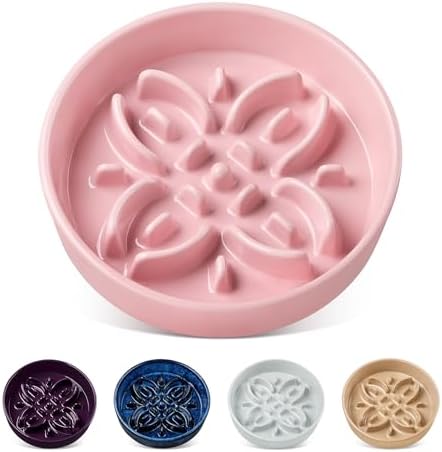
- 【Ideal for Small-Size Dogs】 Ideal for middle breeds like Beagles and French Bulldogs, this compact bowl (6.25″ diameter …
- 【Elegant & Functional Design】 This beautifully crafted ceramic dog bowl features a stunning floral pattern with a raised…
- 【Promotes Healthy Eating Habits】 Helps prevent bloat, choking, indigestion, and obesity by encouraging slower, safer mea…
Why Pet Owners Are Turning to Slow Feeders
With the growing awareness of canine health and nutrition, many pet owners are increasingly adopting slow feeders for dogs. These innovative feeding solutions have gained popularity due to their multiple advantages, addressing common concerns associated with traditional feeding methods.
One primary reason pet owners are gravitating towards slow feeders is the prevention of bloating and digestive issues. Rapid feeding often leads to dogs swallowing excess air, causing discomfort and serious health risks like gastric torsion. By utilizing slow feeders for dogs, pet parents can encourage their furry companions to eat at a more deliberate pace, allowing for better digestion and reducing the risk associated with fast eating.
Another significant factor contributing to the rise in the popularity of slow feeders is the assistance in weight management. In an era where pet obesity is a growing concern, slow feeders can play a pivotal role. These specialized bowls engage dogs in a manner that requires them to work for their kibble, resulting in smaller portions consumed over a longer duration. This gradual approach not only aids in weight control but also appeals to the natural instincts of dogs, promoting a healthier lifestyle.
Related: Are there benefits of getting dog food delivered to your home?
The mental stimulation that slow feeders provide cannot be overlooked. Dogs thrive on challenges and engaging activities, and typical food bowls often fail to stimulate their minds. Slow feeders come with unique designs that promote problem-solving behavior, reducing boredom and anxiety in pets. This added mental engagement can lead to improved overall well-being, making meal times more entertaining for both dogs and their owners.
Lastly, slow feeders tend to foster healthy eating habits, turning meal times into extended sessions of enjoyment rather than rush-hour racing. By promoting mindful eating, pet owners ensure their dogs make the most out of their meals, enhancing their overall dining experience. As a result, it’s clear why slow feeders are gaining traction among dog owners seeking optimal health and happiness for their pets.
Promoting Healthy Eating Habits
Ensuring that dogs maintain proper eating habits is crucial for their overall health and well-being. One effective tool that pet owners can utilize is slow feeders. These specially designed bowls promote mindful eating by encouraging dogs to consume their food at a slower pace. This method is particularly beneficial in addressing common issues such as binge eating and obesity.
Dogs often tend to inhale their meals, leading to a range of health problems, including gastrointestinal distress and excessive weight gain. Slow feeders for dogs are designed with obstacles that make it more challenging to gobble down food quickly. This mechanism naturally regulates the portion of food that a dog can consume at one time. As a result, dogs are not only consuming smaller bites but also taking the time to savor each morsel.
By slowing down the eating process, these feeders help dogs recognize when they are full, thereby reducing the likelihood of overeating. This is particularly vital in today’s world, where obesity is a growing concern among pets. Obesity can lead to various health complications, such as arthritis, diabetes, and heart disease. The use of slow feeders can play a significant role in maintaining a healthy weight by encouraging more deliberate eating habits.
In addition to controlling portion sizes, slow feeders also create an engaging meal experience for dogs. The interactive design makes mealtime more stimulating and can help alleviate boredom and anxiety, promoting overall mental health. By fostering good eating habits and allowing dogs to enjoy their meals, slow feeders not only contribute to physical health but also promote a positive mental state.
Encouraging Mental Stimulation and Engagement
Slow feeders for dogs serve as an effective tool in promoting not just physical well-being, but also mental stimulation and engagement. The unique designs of these feeders require dogs to think critically and solve problems in order to access their food. This interactive experience is crucial for enhancing cognitive functions, making meal times more than just a routine feeding process.
There is a wide variety of slow feeders available on the market today, each featuring distinct designs that activate a dog’s natural instincts to forage and hunt for food. For example, some slow feeders have built-in obstacles that challenge dogs to navigate their way around various barriers to reach their kibble. Other designs incorporate puzzle elements that encourage dogs to engage their minds as they strategize to get their meal. This not only prolongs the eating process but also adds a level of excitement and engagement that traditional feeding methods lack.
By using slow feeders, dog owners can significantly enhance their pet’s quality of life. The mental tasks required to obtain food allow dogs to expend energy and tap into their natural problem-solving abilities, which in turn can reduce boredom and anxiety. Dogs that are mentally stimulated are typically happier and more balanced, as the feeding challenge incorporates play into daily life. Furthermore, using a slow feeder can deter overeating and promote slower eating habits which are beneficial for digestive health.
Incorporating slow feeders into a dog’s feeding routine is an excellent way to ensure they are mentally engaged and stimulated while enjoying their meals. As they tackle the challenges presented by these feeders, dogs experience a fulfilling and enriching feeding experience, leading to greater overall satisfaction and well-being.
Improving Digestion and Reducing Upset Stomachs
Feeding habits significantly influence a dog’s gastrointestinal health, and the implementation of slow feeders for dogs can play a crucial role in improving digestion. Many dogs are prone to eating their food rapidly, which can lead to a variety of health issues, including bloating, gas, and even vomiting. When dogs consume their meals at a fast pace, they are more likely to swallow excess air, exacerbating these symptoms and contributing to discomfort.
Related: 8 of the Best Slow Feeders for Dogs
Slow feeders are designed to encourage dogs to take their time while eating. These specialized bowls contain barriers that prevent the dog from gulping down large amounts of food all at once. By slowing down the feeding process, these bowls promote a more controlled intake, allowing the digestive system to function more effectively. As dogs eat slowly, their saliva begins to break down the food, aiding in the initial stages of digestion and ensuring that nutrients are absorbed more efficiently.
Research indicates that a slower eating speed can lead to a lower occurrence of gastrointestinal upset. For example, dogs that eat more slowly show a marked decrease in symptoms associated with indigestion. Moreover, the relationship between eating pace and digestion reinforces the importance of adopting appropriate feeding practices. Not only does the use of slow feeders contribute to improved digestion, but it also encourages mental stimulation as dogs navigate the design of the bowl, making mealtime a more engaging experience.
In essence, the digestibility of food and overall gut health can be positively impacted through the use of slow feeders for dogs. Incorporating these bowls into regular feeding routines can foster a healthier attitude toward eating, ultimately translating into happier, healthier dogs.

- Ceramic Material, More Suit For Your Dog: The veterinarian recommends using a ceramic bowl for your dogs. According to i…
- Premium Ceramic, Durable and Stable: We use premium ceramic, not easy to damage and certified by Amazon Climate Pledge F…
- Easy Clean, Save More Time: The surface is smooth and very easy to clean. Whether you put it under the faucet for rinsin…
Using Slow Feeders for Effective Training
Implementing slow feeders for dogs can significantly enhance training routines by instilling core behaviors such as patience, discipline, and focus. As dogs eat from a slow feeder, they are compelled to engage in a more deliberate process. This mindful eating not only promotes better digestion and overall health but also cultivates control during mealtime, which can be applied to other training aspects.
When introducing a slow feeder into your dog’s feeding schedule, it is essential to position this practice within a broader training framework. For instance, you can use it as a reward mechanism. Incorporate commands such as ‘wait’ or ‘stay’ before allowing your dog to access their food. As they successfully comply with these commands, it reinforces the behavior that patience leads to a positive outcome, demonstrating the benefit of self-control.
Furthermore, slow feeders naturally captivate a dog’s attention, encouraging them to focus on the task of eating. This concentration can be leveraged to help teach dogs additional commands or tricks. For example, scatter a small number of treats among the kibble within the slow feeder, prompting your dog to “search” for their food, enhancing their problem-solving skills while simultaneously making mealtime a more engaging activity.
Additionally, the unique designs of many slow feeders also provide an excellent opportunity for environmental enrichment. This enrichment can reduce anxiety and behavioral problems often associated with boredom. As your dog navigates the maze of the slow feeder, they learn to strategize and adapt their approach to obtain their meal, creating a fulfilling and stimulating experience that transcends basic training.
Incorporating slow feeders into your dog’s routine can effectively transform mealtime into an educational and rewarding experience that contributes to their overall training success.
Choosing the Right Slow Feeder for Your Dog
When selecting a slow feeder for dogs, it is essential to consider various factors that can affect the effectiveness and suitability of the feeder for your pet. The market offers a wide range of designs and types of slow feeders, each engineered to cater to the diverse eating habits and physical characteristics of different breeds.
Firstly, the size and breed of your dog play a crucial role in determining the appropriate slow feeder. Larger breeds may require feeders that can accommodate bigger kibble portions and have a durable design to withstand their eating habits. In contrast, smaller breeds may benefit from compact, shallow bowls that prevent overreaching and promote a comfortable eating posture.
Moreover, the design of the slow feeder itself can significantly influence eating behavior. Some feeders consist of raised obstacles within the bowl, which encourages dogs to maneuver around the obstacles for their food. This type of feeder may be more effective for dogs prone to gulping, ensuring they eat at a slower pace. Other designs may include maze-like structures or puzzle feeders that add an interactive element, stimulating your dog mentally as well as physically.
It is also vital to consider your dog’s specific eating behavior. Dogs that tend to eat too quickly may benefit from feeders designed to slow down their eating through additional barriers, while those that are more hesitant may require simpler designs that prevent frustration. Additionally, features such as non-slip bases or materials that are easy to clean should also be evaluated to ensure convenience and hygiene.
In summary, choosing the right slow feeder for your dog involves assessing your pet’s size, breed, and individual eating habits while considering various designs that facilitate slower, healthier eating practices. Proper selection can enhance your dog’s dining experience and promote better digestion.
Addressing Common Concerns About Slow Feeders
As more pet owners recognize the advantages of slow feeders for dogs, several concerns frequently arise regarding their use. One common issue is the potential for frustration among dogs, especially those that are accustomed to eating quickly. However, many dogs adapt well to slow feeders with time and practice. Initially, it may be beneficial to monitor your dog’s eating behavior. If signs of frustration manifest, consider supervised feeding sessions where you can reassure them and help facilitate their acclimatization to the new feeding method.
Another concern often mentioned is the cleaning challenges presented by slow feeders. With their intricate designs and varied textures, these feeding tools can be more difficult to clean than traditional bowls. However, many brands offer slow feeders that are dishwasher safe or designed with materials that are easy to wash. Regular cleaning is essential to maintain hygiene, prevent bacteria build-up, and ensure that your dog’s feeding experience remains safe and enjoyable.
Lastly, it is crucial to evaluate whether slow feeding is suitable for your specific dog breed and individual needs. While slow feeders can benefit many dogs, those with certain medical conditions, such as specific gastrointestinal issues, may require alternative feeding methods. Consulting a veterinarian can provide clarity on whether a slow feeder is appropriate for your pet. In addition, it is advisable to assess your dog’s comfort with the feeder design. Adopting a slower feeding protocol should never compromise their swallowing ability or nutrition intake. Ultimately, understanding these factors can assist pet owners in effectively addressing their concerns about slow feeders for dogs.
The Impact of Slow Feeders on Dog Life and Behavior
In conclusion, incorporating slow feeders for dogs offers a multifaceted approach to improving their overall well-being. These unique feeding solutions not only promote healthier eating habits but also significantly enhance mental engagement during mealtime. By transforming the mundane act of eating into an interactive experience, slow feeders help dogs to slow down while they consume their food, thereby reducing the risk of digestive issues such as bloat and ensuring they gain the necessary nutrition in a healthier manner.
Furthermore, slow feeders can serve as effective tools in training, encouraging dogs to learn patience and control as they navigate their meals. This controlled approach can be especially beneficial for dogs prone to overeating or those that exhibit aggressive behavior around their food. As dogs spend more time engaged with their meals, they also enjoy a stimulating activity that reduces boredom, ultimately contributing to a more content and balanced dog.
For pet owners, the benefits of slow feeders extend beyond the physical health of their canines. Watching their pets derive joy and challenge from a slow feeder fosters a deeper bond between dog and owner. Therefore, it is worthwhile for pet owners to consider integrating slow feeders into their dogs’ daily routines. By doing so, they not only enhance their pets’ dining experience but also contribute to a healthier, happier, and more fulfilled life for their beloved companions.


