
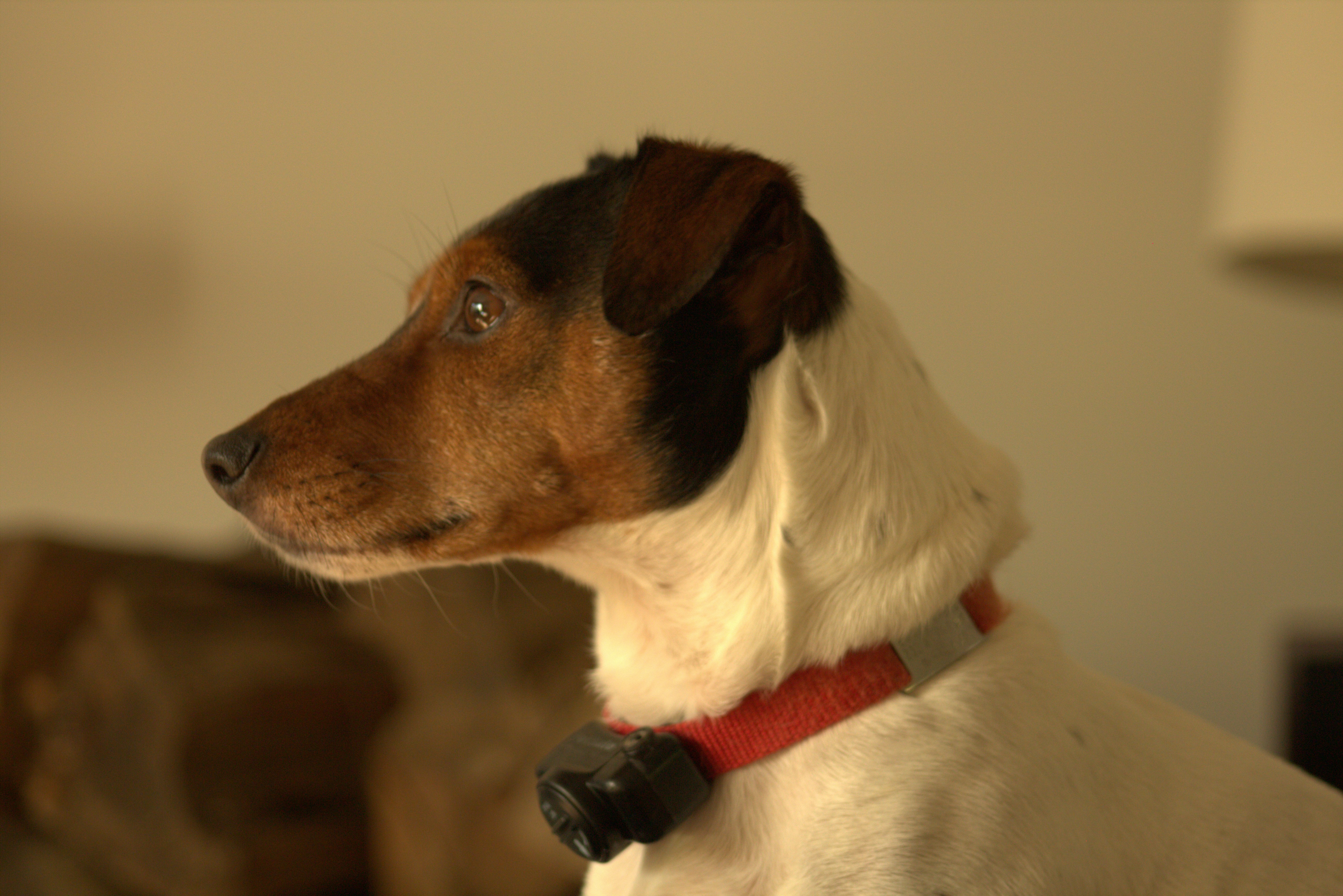
Introduction to Martingale Collars
Martingale collars are a distinctive type of dog collar designed to offer a secure but gentle method of control for canines, particularly useful for larger breeds. Unlike traditional collars, martingale collars feature a unique design that consists of a length of material with an additional loop, allowing the collar to tighten when the dog pulls, while still being comfortable and not overly constrictive. This innovative design mitigates the risks typically associated with standard collars, such as choking or escape, making them an ideal choice for large dogs and those with a tendency to pull.
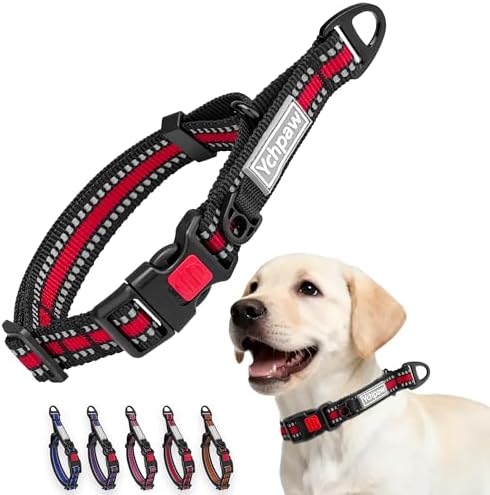
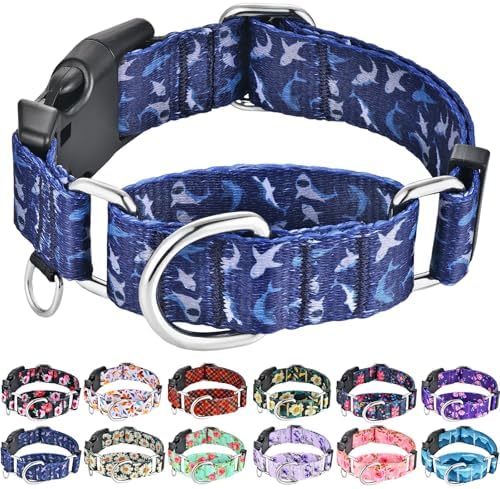

One of the primary safety features of martingale collars is their ability to provide increased control without compromising the dog’s comfort. When the dog lunges or attempts to pull away, the collar tightens slightly, preventing the possibility of slipping off. This is especially important for larger dogs that possess more strength and agility. Unlike prong collars or choke chains, martingale collars adjust based on the behavior of the dog, ensuring that they remain safe while still providing a level of restraint.
Dog collars, such as martingale collars, are not merely for restraint; they also play a significant role in the training and socialization of your pet. A well-fitted martingale collar can help owners effectively guide their large dogs during walks, which not only enhances obedience but also fosters a trusting relationship between owners and their pets. With the proper education on how to use these collars, dog owners can benefit immensely from a tool that improves both the training experience and the overall safety of their large dogs.
Related: When to Consider a Martingale Collar
Enhanced Control for Pulling Dogs
Dog collars often play a crucial role in managing a pet’s behavior, particularly for large dogs that have a tendency to pull on their leashes during walks. One effective option for such dogs is the martingale collar, specifically designed to provide enhanced control without causing discomfort. Unlike traditional collars that tighten fully around a dog’s neck, a martingale collar tightens only to a certain extent when the dog pulls, offering an ideal solution for guiding well-intentioned but overzealous canines.
The unique design of martingale collars employs a two-loop system. The larger loop fits over the dog’s head, while the smaller loop attaches to the leash. When the dog begins to pull, the collar tightens slightly, applying gentle pressure without choking. This feature helps to prevent the dog from slipping out of the collar—a common concern for large breeds with head and neck sizes that exceed their girth. Consequently, the martingale collar allows for better guidance and control, making it easier to manage pulling behaviors effectively.
By using a martingale collar, dog owners can discourage unwanted pulling actions in a manner that prioritizes their pet’s comfort and security. This is particularly beneficial for large dogs that may have a tendency to become strong and stubborn during walks. In contrast to other types of dog collars that may contribute to pulling or cause choking, the martingale’s design actively discourages such behavior through its gentle tightening mechanism. Hence, it’s clear that martingale collars promote a positive walking experience for both the dog and the owner.
Safety for Escaping Dogs
When it comes to ensuring the safety of large dogs, martingale collars are a standout choice, particularly for those pets that have a tendency to slip out of traditional collars. The design of a martingale collar is intentionally crafted to provide a secure fit that minimizes the risk of escape without compromising your dog’s comfort. Unlike regular dog collars, which can loosen and allow a determined dog to wriggle free, martingale collars employ a unique mechanism that tightens gently when the dog pulls but does not constrict excessively, thus providing a balance between security and comfort.
Related: 4 Healthy Dog Treats for your Pup
A standard collar can easily slide off if the dog manages to pull backward, which is a common scenario for energetic large dogs. This is particularly concerning in outdoor settings where distractions may tempt a dog to break free. Martingale collars address this concern by ensuring that they tighten around the dog’s neck only as much as necessary to prevent them from escaping, without causing harm or discomfort. This feature is particularly beneficial for breeds with narrow heads compared to their neck size, such as Greyhounds or Whippets, making martingale collars an excellent option for various large breeds.
Additionally, the construction of martingale collars often involves durable materials that can withstand the strength of larger dogs, further enhancing safety during walks or training sessions. Their effectiveness in keeping dogs secure during these activities not only aids in training but significantly contributes to a safer walking experience in public spaces. Thus, for pet owners concerned about their dog’s ability to escape, embracing the martingale collar is a wise step towards ensuring both safety and control.
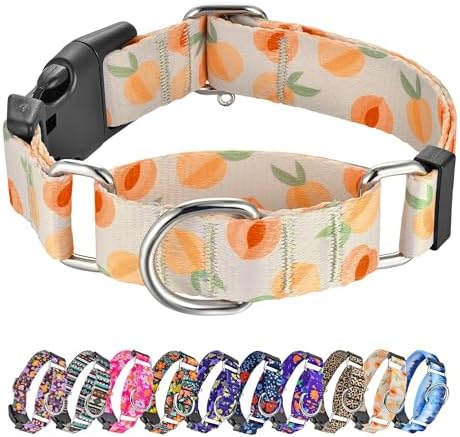
- 【Size】Please refer to the size chart for specific dimensions. Before placing an order, please use a tape measure to meas…
- 【Nylon Dog Collar】Martingale dog collars is made of nylon material, which is comfortable, soft, and durable. The weaving…
- 【Quick Release Buckle】The cute dog collars adopts a safety buckle design, ensuring that the dog can be quickly released …
Versatility and Style
Martingale collars are renowned not only for their functionality but also for their versatility and style. Pet owners often seek collars that not only serve a practical purpose but also reflect their dog’s personality and style. Fortunately, martingale collars come in a wide array of designs, patterns, and colors, catering to diverse tastes and preferences.
One of the significant advantages of these collars is their adaptability. Whether you prefer a classic, more subdued look or a vibrant, eye-catching design, there is a martingale collar that fits your requirements. Some collars feature unique patterns such as plaid, floral, or geometric designs, while others come in solid colors that can complement various dog breeds and sizes. This variety ensures that finding an aesthetically pleasing collar is not a difficult task.
Furthermore, martingale collars can be customized with different materials, including nylon and cotton. This allows pet owners to select a collar that not only aligns with their aesthetic preferences but is also suitable for their dog’s lifestyle and comfort. For instance, lightweight and breathable fabrics may be ideal for active dogs, whereas stronger materials might be more suitable for larger dogs that require a more robust collar.
The versatility of martingale collars extends beyond just style; they can be used in various situations, from casual walks in the park to more formal outings. This adaptability means that pet owners can choose one collar that fulfills multiple roles, saving them from the hassle of purchasing multiple dog collars for different occasions. Overall, the combination of functionality, diverse styles, and comfort makes martingale collars an excellent option for large dogs.
Choosing the Right Size Martingale Collar
When selecting a martingale collar for your large dog, proper sizing is crucial to ensure it functions effectively while providing comfort. Unlike traditional collars, martingale collars are designed to tighten slightly to prevent dogs from slipping out, making accurate sizing essential.
The first step in choosing the right martingale collar is to measure your dog’s neck. Use a flexible measuring tape to obtain the circumference around the widest part of your dog’s neck. Be sure to hold the tape snugly but not too tight, allowing enough room for comfort. Ideally, you should be able to fit two fingers between the tape and your dog’s neck.
Once you have this measurement, refer to the sizing guide provided by the collar manufacturer. Martingale collars typically come in a range of sizes, and it is essential to select one that accommodates your dog’s neck measurement. Look for a collar that fits within a range covering your dog’s neck size. Generally, a few additional inches are added to the collar size to allow for adjustment. Make sure the collar can expand enough to slip over your dog’s head without compromising on its snug fit during walks.
Another important consideration is the width of the collar. For large dogs, a wider martingale collar can provide better control and comfort, distributing pressure evenly around the neck. A collar that is too narrow may not offer sufficient control and can become uncomfortable for your pet.
After selecting the appropriate size and width, it’s advisable to test the collar on your dog. Fasten the collar and give it a slight tug to ensure it tightens correctly without choking your pet. The collar should remain securely in place but allow for freedom of movement while maintaining effectiveness.
Training Your Dog to Use a Martingale Collar
Introducing a martingale collar to your large dog can be a straightforward process if approached with the right techniques. The primary goal is to ensure that your dog feels comfortable with the collar while associating it with positive experiences. One effective method is through positive reinforcement, which encourages desirable behavior through rewards.
Begin by allowing your dog to familiarize itself with the martingale collar. Place the collar in your dog’s living space for a few days to let them sniff and explore it. Once your dog shows curiosity, you can proceed to put the collar on your dog for brief periods. It is essential to observe how your dog reacts. If your dog appears anxious or tries to remove the collar, remove it immediately and try again later.
After your dog has adjusted to wearing the collar, reward them with treats and verbal praise to create a positive association. Gradually increase the duration they wear the collar while still reinforcing their positive behavior. Aim for short sessions at first, gradually extending the time as your dog becomes more comfortable with the martingale collar.
Next, incorporate leash training while your dog is wearing the collar. Start in a low-distraction environment where your dog can learn how the collar functions during walks. Use treats to encourage your dog to walk beside you, rewarding them for maintaining the desired position. If your dog pulls on the leash, the martingale collar will tighten slightly, quickly reminding them to return to your side without causing harm.
Remember, patience is crucial during this training process. Each dog is unique, and adapting to a new collar may take different amounts of time. The goal is to create a seamless transition so that your dog fully understands and accepts the martingale collar while enjoying their walks and training sessions.
When considering options beyond the martingale collar, dog owners can evaluate several alternatives, each with distinct features and varying degrees of effectiveness depending on their canine’s behavior and training needs.
One common alternative is the traditional flat collar. It is a simple option, typically made of nylon or leather, and is designed for everyday use. Flat collars can be used for attaching ID tags and leashes but may not be suitable for dogs that pull significantly, as they can lead to choking or escape. While they are easy to adjust and generally more affordable, flat collars lack the tightening mechanism that martingale collars offer, which can be a disadvantage during walks.
Another alternative is the head halter. This type of collar fits around a dog’s muzzle and is designed to give the owner greater control over the dog’s head, thereby reducing pulling. Many dog owners find head halters effective for large, strong breeds, as they discourage pulling without causing pain. However, some dogs may find them uncomfortable, and it can take time for a pet to adjust to wearing them.
For those looking for a no-pull solution, harnesses are another popular option. A front-clip harness redistributes pressure across the dog’s body, discouraging pulling behavior effectively. Harnesses come in various styles and sizes, catering to different breeds and physical requirements. However, owners should be wary; some dogs may exploit the harness’s design to slip out or exert excessive force while pulling.
Each alternative to the martingale collar offers unique pros and cons that depend greatly on individual circumstances, including the dog’s behavior, size, and specific needs. It is essential for pet owners to research and consider these factors before settling on the best type of dog collar for their large dog.
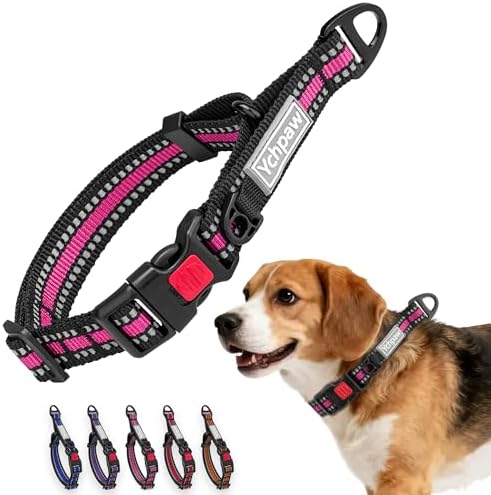
- Size: S Size – 3/4″ Width (12″ – 17″ Neck) is designed for Small and Medium sized breeds like Cocker Spaniel, Boston, Ca…
- Martingale Style Collars : Martingale collars Recommended by vets and trainers as the best design for daily wear. To pre…
- Easy To Use: Our martingale collar is designed to gently tighten when your dog pulls, preventing them from choking or es…
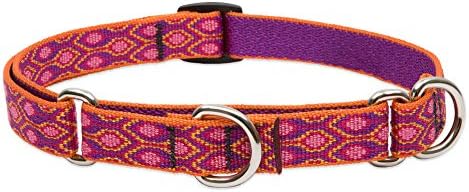
- GUARANTEED (Even if Chewed)
- Proudly Built in Conway, New Hampshire
- Limited-slip martingale action prevents a dog from backing out of its collar
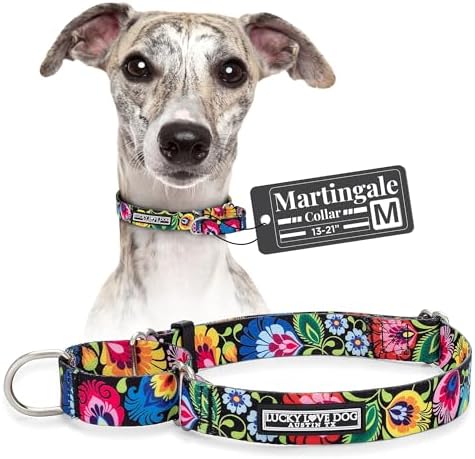
- MEASURE YOUR DOG’S NECK FOR A PERFECT FIT: Before selecting a size, measure your dog’s neck for accuracy. Our martingale…
- DURABLE & COMFORTABLE FOR EASY CONTROL: Our adjustable martingale dog collars gently tighten when your dog pulls, offeri…
- UNIQUE DESIGNS FOR EVERY DOG: Lucky Love Dog Martingale collars feature vibrant, stylish patterns that perfectly showcas…
Customer Reviews: Real Experiences with Martingale Collars
Dog owners have shared a variety of experiences regarding martingale collars, particularly in relation to large dogs. Many positive reviews highlight the effectiveness of these collars in preventing escape. One owner noted, “My large dog, a Labrador Retriever, used to slip out of his regular collar during walks. Since switching to a martingale collar, I have complete control and peace of mind, knowing he is secure. The design is both safe and comfortable for him.” This sentiment is echoed by numerous pet parents who appreciate the collar’s unique structure, which tightens slightly when pulled but does not cause choking.
Aside from preventing escapes, several users have emphasized the level of comfort their dogs experienced with martingale collars. A user described, “The padding on the martingale collar made all the difference for my Great Dane. He wears it daily without showing any signs of discomfort. It fits well and does not rub against his skin.” This feedback reinforces the idea that martingale collars are designed with the well-being of larger breeds in mind.
However, some customers have voiced common concerns about the adjustment process. A dog owner stated, “It took a few tries to find the perfect fit for my dog. Be sure to measure carefully and adjust the collar correctly. Otherwise, it may tighten too much, which can be uncomfortable.” This highlights the importance of proper sizing and adjustment. Additionally, while most feedback has been positive, some owners recommend avoiding excessive force when using the collar, suggesting that it should be a tool for guidance rather than correction.
Overall, dog collars, especially martingale collars, have received favorable feedback from numerous users, emphasizing their advantages. Those who opt for these collars often find them an invaluable asset in managing their large dogs’ safety and comfort during walks.
Conclusion and Final Thoughts
In analyzing the advantages of martingale collars for large dogs, we recognize three compelling reasons that stand out. Firstly, the superior control that these collars provide is essential for large breeds, which can exhibit challenging behaviors during walks. A well-fitted martingale collar reduces the risk of escape while allowing owners to maintain command with ease. This quality is pivotal for ensuring safety and confidence on outings.
Secondly, the comfort offered by martingale collars cannot be overstated. Unlike traditional collars that can choke or cause discomfort, martingale designs feature a gentle tightening mechanism that prevents strain. This makes them an excellent choice for dogs with thicker necks or those who tend to pull. Their design promotes a more enjoyable walking experience, directly contributing to better behavior training.
Lastly, martingale collars are recognized for their versatility and durability. They are available in various materials and styles, which cater to a broad range of preferences and environments. Whether your dog enjoys a daily stroll in the park or requires a more robust collar for training, the martingale collar suits these needs effectively. Owners are encouraged to conduct further research on this reliable type of dog collar and evaluate how it aligns with their canine’s specific requirements.