

Finding the right kitty litter can feel overwhelming when you’re staring at an entire aisle of options. Your cat has opinions about texture, scent, and feel beneath their paws, while you’re thinking about dust clouds, tracking, and that telltale smell that announces you have a cat the moment someone walks through your door.
The good news? The kitty litter market has exploded with innovation over the past few years. We’re seeing options our grandparents never dreamed of when they filled boxes with sand or newspaper. Let’s explore six trending types of kitty litter that are changing the game for cats and their people.
Finding the perfect kitty litter doesn’t have to feel like an impossible puzzle. We’re diving into six innovative types of litter that are transforming how we think about our cats’ bathroom needs, from flushable tofu pellets to high-tech crystals that last for weeks. You’ll discover what actually matters to your cat when it comes to texture, scent, and comfort, plus how your litter choice impacts your home’s air quality and the environment.
We’re sharing practical strategies for transitioning your cat to new litter without triggering accidents, exploring sustainable alternatives that actually work, and looking at where the industry is headed with health-monitoring formulations and convenient subscription services. Whether you’re a new cat parent feeling overwhelmed by choices or a longtime cat lover ready to explore better options, this guide gives you everything needed to make an informed decision that works for both your household and your cat’s particular preferences.
Natural Tofu and Corn Kitty Litter: The Plant-Based Revolution
Tofu litter sounds unusual until you try it. Made from food-grade soybean pulp or corn, these pellets are surprisingly lightweight and completely flushable. The texture appeals to many cats who previously turned their noses up at traditional clay. These pellets absorb liquid quickly and form solid clumps that you can scoop and literally flush down the toilet.
The environmental story here is compelling. Instead of mining clay from the earth, manufacturers repurpose byproducts from food production. When tofu litter breaks down, it returns to the earth as harmless organic matter. Many brands also come in compostable packaging, closing the loop on sustainability.
Cats seem to appreciate the softer feel compared to sharp crystal edges or dusty clay. The pellets are gentle on sensitive paws, which matters especially for declawed cats or senior kitties with arthritis. Some varieties come with subtle green tea or peach scents, though many cats prefer unscented versions.
Crystal and Silica Gel Kitty Litter: High Tech Meets Low Maintenance
Silica gel crystals look like tiny translucent beads that could pass for fancy bath salts. These crystals are the same material that comes in those little packets marked “do not eat” in shoe boxes, just in a cat-appropriate size. The technology is simple but effective: silica has millions of tiny pores that trap moisture and odors on contact.
One bag lasts significantly longer than traditional clay. Instead of scooping clumps daily, you only remove solid waste and stir the crystals to distribute moisture absorption. The crystals change color as they reach capacity, giving you a visual cue for when to refresh the box completely. For busy households or multi-cat homes, this translates to real time savings.
The dust issue is practically nonexistent with quality crystal litter, which makes breathing easier for both humans and cats. However, some cats find the texture too hard or the sound of crystals shifting beneath their paws unsettling. It’s worth getting a small bag first to see if your particular feline approves.
Wood Pellet Kitty Litter: Bringing the Forest Indoors
Pine, cedar, and other softwood pellets bring a natural freshness that actually smells pleasant. The pellets start about the size of rabbit food, made from compressed sawdust and wood shavings reclaimed from lumber mills. When your cat urinates, the pellets break down into sawdust that settles to the bottom of a sifting litter box.
The absorption power of wood is remarkable. Natural oils in pine provide antibacterial properties and genuine odor control without artificial fragrances. You’re essentially getting a mild, woodsy scent rather than trying to mask smells with synthetic perfumes.
Cost-effectiveness stands out with wood pellets. A 40-pound bag often costs less than premium clay and lasts longer because you’re only discarding the sawdust portion. The pellets themselves can be reused until they’ve completely broken down. For households watching their budget without compromising on quality, wood pellets deliver real value.
Some cats need an adjustment period with the larger pellet size and different texture. The key is transitioning gradually by mixing wood pellets with their current litter over a week or two.
Related: Hottest New Pet Products This Year
Grass Seed Kitty Litter: Lightweight and Naturally Fresh
Grass seed litter is one of the newest entries to the market, and it’s winning over converts quickly. Made from dried grass seeds and natural plant fibers, this option clumps firmly while weighing about half as much as clay. Carrying that heavy jug up three flights of stairs becomes significantly easier.
The clumping action rivals traditional clay, forming tight balls that scoop cleanly without crumbling. Grass naturally neutralizes ammonia odors rather than simply covering them up with fragrance. The result is a genuinely fresh-smelling litter box area that doesn’t announce itself.
Environmental benefits match those of other plant-based options. Grass grows quickly, requires less processing than clay mining, and biodegrades completely. You can compost used grass litter in many municipal systems or add it to outdoor compost piles away from vegetable gardens.
Cats generally adapt to grass litter without protest. The texture falls somewhere between fine clay and larger pellets, offering familiar feel for traditionalists while being gentler on paws. Very little dust means cleaner air and less tracking throughout your home.

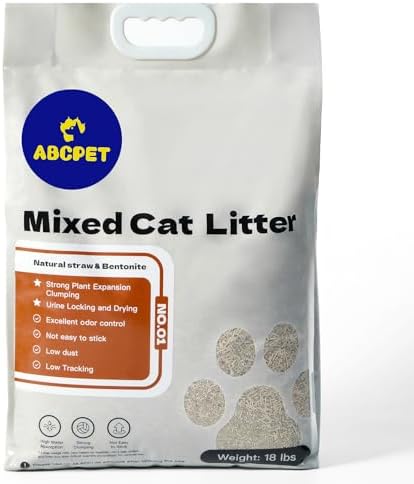

Walnut Shell Kitty Litter: Dark, Dense, and Naturally Absorbent
Ground walnut shells create a darker litter that hides waste exceptionally well. This might sound like a small detail, but for those of us with litter boxes in visible areas, the aesthetic improvement is real. The deep brown color blends waste visually, making the box look cleaner between scoopings.
Walnut shells are naturally porous and absorbent, forming firm clumps without added chemicals or synthetic binders. The weight sits between lightweight grass and heavy clay, offering good stability that doesn’t scatter as easily when your cat kicks enthusiastically after using the box.
Processing walnut shells creates another use for what would otherwise become agricultural waste. Walnut orchards produce tons of shells annually, and turning them into cat litter provides economic value while reducing landfill burden. The shells biodegrade completely and can be composted safely.
Some cats with nut allergies might react to walnut litter, though this appears rare. The darker color does make it harder to monitor urine color for health issues, something veterinarians recommend checking regularly. Still, for most households, walnut shell litter offers an excellent balance of performance and sustainability.
| Litter Type | Eco-Friendly | Dust Level | Clumping | Weight | Best For |
|---|---|---|---|---|---|
| Tofu/Corn | ✓✓✓ | Very Low | Yes | Light | Flushable convenience, sensitive paws |
| Crystal/Silica | ✓ | None | No | Medium | Low maintenance, busy households |
| Wood Pellets | ✓✓✓ | Very Low | Breaks Down | Medium | Budget-conscious, natural odor control |
| Grass Seed | ✓✓✓ | Low | Yes | Very Light | Easy carrying, minimal tracking |
| Walnut Shell | ✓✓✓ | Low | Yes | Medium | Visible litter boxes, aesthetics |
| Paper/Cardboard | ✓✓✓ | None | Some | Very Light | Post-surgery, respiratory issues, seniors |
✓✓✓ = Excellent | ✓✓ = Good | ✓ = Fair
Paper and Cardboard Kitty Litter: Soft Textures for Sensitive Situations
Recycled paper pellets might seem too soft to work effectively, but modern formulations prove otherwise. These pellets absorb liquid quickly, control odors respectfully, and offer the softest texture available. This makes paper litter ideal for cats recovering from surgery, especially after declawing or any paw procedure.
The pellets start firm but break apart into softer pieces as they absorb moisture. This creates almost no dust, which benefits cats with respiratory issues or asthma. People with allergies also notice significant improvement when switching from dusty clay to paper-based options.
Paper litter represents the ultimate in recycling. Old newspapers, cardboard boxes, and office paper get processed into pellets instead of sitting in landfills. The used litter biodegrades rapidly and can be composted or used as mulch in ornamental gardens.
Weight is another major advantage. Paper litter weighs a fraction of clay, making storage and handling easier for everyone, particularly seniors or anyone with mobility challenges. The tradeoff is that paper needs changing more frequently than some alternatives, and cats who prefer fine textures might initially resist the larger pellets.
Related: Do you have an emergency pet kit?
What Your Cat Actually Wants in Kitty Litter
Cats are notoriously particular about bathroom arrangements. In the wild, they naturally seek fine, sandy soil that they can dig and cover waste easily. This instinct explains why many cats gravitate toward fine-grained litters that mimic that natural texture.
Texture matters more than you might think. Some cats refuse pellets entirely, while others won’t use anything that feels sharp or pokey on their paw pads. Senior cats or those with arthritis often prefer softer materials that don’t hurt when they dig. Declawed cats almost universally do better with softer textures since they’re stepping directly on sensitive toe tissue.
Scent preferences vary wildly between individual cats. While we might enjoy lavender or fresh linen fragrances, many cats find artificial scents overwhelming or even repellent. Their sense of smell is roughly 14 times stronger than ours, so what seems like a light scent to us can be overpowering to them. Unscented options often win the popularity contest in multi-cat households.
Dust levels affect cat health directly. Cats spend hours grooming, and whatever dust settles on their coat gets ingested. Respiratory issues can develop from breathing dusty litter repeatedly over years. Low-dust or dust-free varieties protect both feline and human lungs.
Creating a Healthy Home Environment With the Right Kitty Litter
The litter box might be the single most important factor in whether your cat consistently uses it. Location matters tremendously. Boxes tucked in cold basements or right next to noisy washing machines often get rejected in favor of your potted plant or carpet corner.
Each cat needs their own box plus one extra. This rule of thumb prevents territorial disputes and ensures no cat gets ambushed while vulnerable. Boxes should be large enough for cats to turn around comfortably, with low entries for seniors or kittens.
Scooping frequency directly impacts both odor control and whether cats will continue using the box. Daily scooping is the minimum, with twice daily being ideal for multi-cat homes. Complete litter changes depend on the type you’re using, ranging from weekly for some clay varieties to monthly for crystals.
The depth of litter matters too. Most cats prefer about three inches of litter, enough to dig and cover but not so deep they sink awkwardly. Boxes that are too shallow don’t give cats the coverage instinct satisfaction they’re seeking.
Understanding the Environmental Impact of Your Kitty Litter Choice
Traditional clay litter comes from strip mining, an environmentally destructive process that permanently alters landscapes. Sodium bentonite, the clumping agent in most clay litters, requires energy-intensive processing. The used litter then sits in landfills essentially forever since clay doesn’t biodegrade.
Americans throw away approximately two million tons of cat litter annually. That’s a staggering amount of waste for something used once and discarded. The transportation of heavy clay litter across the country also contributes significantly to carbon emissions.
Switching to plant-based, biodegradable kitty litter options dramatically reduces your cat’s environmental pawprint. Materials like tofu, grass, corn, paper, and wood all break down naturally. Many can be composted at home, though it’s important to keep cat waste compost separate from vegetable gardens due to potential parasites.
Flushable litters offer convenience but require consideration. Some municipal sewer systems handle biodegradable litter fine, while others don’t. Check local regulations before flushing, and never flush clay or crystal litters regardless of marketing claims.
Packaging matters too. Cardboard boxes and paper bags biodegrade, while plastic jugs add to landfill burden. Some brands now offer refill programs or use plant-based plastics that actually break down.
Making the Switch: Helping Your Cat Adjust to New Kitty Litter
Cats resist change instinctively. An abrupt litter switch can result in accidents outside the box or outright refusal to use it. The key is transitioning gradually over 7 to 10 days.
Start by mixing about 25% new litter with 75% of the current type. Your cat gets familiar with the new texture and scent while still having plenty of what they know. After a few days, move to a 50-50 mix. Continue increasing the new litter proportion until you’ve completely switched over.
Watch for signs your cat approves or disapproves. Confident digging, burying waste completely, and normal bathroom frequency indicate acceptance. Hovering at the box entrance, scratching outside the box, or eliminating elsewhere signals disapproval.
Some cats adapt quickly to any change, while others need extra time. Senior cats or those with previous litter box issues often require slower transitions. Having a second box with the old litter available during the switch provides a safety net.
The Future of Kitty Litter Innovation
The market continues evolving as consumer demands shift toward sustainability, health, and convenience. We’re seeing smart litter boxes that automatically sift, weigh waste to monitor health, and even send phone notifications when cleaning is needed.
Litter formulations themselves are getting smarter. Some brands now include health indicators that change color if they detect abnormal pH levels or blood in urine. This early warning system can catch urinary tract infections or kidney issues before they become serious.
Subscription services have simplified the logistics of never running out. Companies ship litter on your schedule, often at discounted rates. The convenience factor helps maintain consistency, which cats definitely appreciate.
Ultimately, the best kitty litter is the one your cat will actually use while meeting your needs for odor control, ease of cleaning, and environmental responsibility. The explosion of options means you’re no longer limited to dusty clay in a plastic jug. Your cat’s bathroom experience can now align with your values without compromising on performance.
Whether you choose plant-based pellets, high-tech crystals, or something in between, you’re participating in a market that’s finally prioritizing both cat comfort and environmental stewardship. Your kitty deserves a clean, comfortable bathroom, and the planet deserves thoughtful choices about the products we bring into our homes.
This post contains Amazon affiliate links. If you click through and make a purchase, I may earn a small commission at no extra cost to you. I only recommend products I believe will genuinely benefit you and your pets.
Read More: Types of cat litter and how to choose the best one
Finding Your Perfect Kitty Litter Match
Choosing the right kitty litter isn’t just about convenience anymore. It’s about creating a healthier home for your family, respecting your cat’s preferences, and making choices that honor the planet we all share. The innovations we’ve explored show that you no longer have to compromise between performance and sustainability.
Your cat will tell you what works. Watch how they interact with their box, notice if they’re digging confidently or hesitating at the entrance. Trust those signals. The perfect kitty litter is out there waiting, whether it’s flushable tofu pellets, long-lasting crystals, or budget-friendly wood that smells like a forest.
Start with small bags when trying something new. Give your cat time to adjust. And remember that what works for your neighbor’s three cats might not work for your single senior kitty with arthritis. This is your journey together.
The litter box might not be the most glamorous part of cat ownership, but getting it right makes everything else better. A happy cat using a clean box in a fresh-smelling home? That’s the goal, and now you have the knowledge to make it happen.