

Every dog owner knows that sinking feeling when your pet isn’t acting like themselves. But what if I told you that one of the most dangerous threats to your dog’s health is completely silent until it’s almost too late? Heartworm disease doesn’t announce itself with obvious symptoms right away. By the time most dogs show signs, the damage is already severe.
I’ve seen too many heartbroken owners wish they’d taken heartworm prevention more seriously. The good news? This is one threat you can actually control. Let me walk you through why heartworm prevention should be at the top of your dog care priorities.
What Actually Happens When a Dog Gets Heartworms
Picture this: a single mosquito bite transfers microscopic larvae into your dog’s bloodstream. Over the next six months, these larvae mature into foot-long worms that take up residence in your dog’s heart, lungs, and blood vessels. These parasites don’t just sit there either. They reproduce, clog vital pathways, and slowly destroy your dog’s cardiovascular system.
The treatment process is rough. It involves multiple injections of a drug containing arsenic, strict exercise restriction for months, and a significant risk of complications. Some dogs don’t survive the treatment itself. Others suffer permanent organ damage even when treatment succeeds.
Heartworm prevention stops this entire nightmare before it starts. A simple monthly treatment kills larvae before they can mature into those devastating adult worms.
Reason 1: Treatment Costs Are Absolutely Brutal
Let’s talk money for a minute, because the financial reality of heartworm disease hits hard. Heartworm prevention typically runs between $50 to $200 per year depending on your dog’s size and the product you choose. That breaks down to maybe $5 to $15 monthly.
Heartworm treatment? You’re looking at $1,000 to $1,800 for the standard protocol. That’s if everything goes smoothly. Add in complications, extended hospitalization, or additional medications, and costs can easily climb past $3,000 or even $4,000.
Some dogs require surgery to physically remove worms when the infestation is severe. That specialized procedure can cost upwards of $5,000 to $7,000. Most pet insurance plans have waiting periods or exclusions for preventable parasitic diseases too, meaning you could be facing these costs entirely out of pocket.
I’ve worked with products like Simparica Trio and Interceptor Plus that provide comprehensive heartworm prevention along with protection against other parasites. The monthly investment is nothing compared to the potential treatment costs. Think of heartworm prevention as the cheapest insurance policy you’ll ever buy for your dog.

Reason 2: Your Geographic Location Doesn’t Matter Anymore
There’s this persistent myth that heartworm disease only affects dogs in warm, humid climates. Maybe that was somewhat true decades ago, but mosquitoes don’t respect old assumptions. Heartworm cases have been reported in all 50 states.
Climate change has extended mosquito seasons in traditionally cooler regions. A mild winter doesn’t kill off mosquito populations like it used to. Indoor mosquitoes can survive year-round in heated homes, putting even strictly indoor dogs at risk.
I’ve heard from dog owners in Montana, Vermont, and even Alaska who never thought heartworm prevention was necessary until their local vet started seeing cases. The American Heartworm Society now recommends year-round prevention regardless of where you live.
That “mosquito season” gap where you might skip a few months of heartworm prevention? That’s all the opportunity these parasites need. Missing even one or two doses can leave your dog vulnerable during a crucial development window for the larvae.
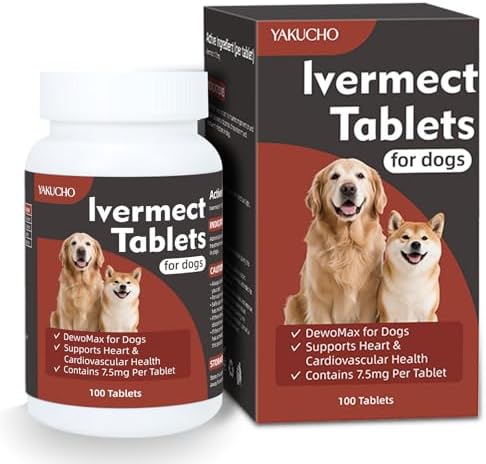
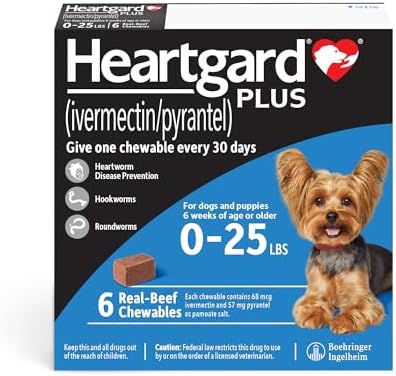
Products like Heartgard Plus and Tri-Heart Plus work specifically because they’re administered consistently. The medication doesn’t prevent mosquito bites or initial infection. Instead, it eliminates larvae during their vulnerable stage before they mature into adults. Skip a dose, and you’ve potentially given those larvae enough time to grow beyond the point where prevention works.
Reason 3: Early Stage Heartworm Disease Is Completely Invisible
This is what makes heartworms so insidious. Your dog can be infected for months without showing a single symptom. They’ll play, eat, and act completely normal while those worms are growing and multiplying inside them.
By the time symptoms appear (coughing, fatigue, decreased appetite, weight loss), the disease is already in an advanced stage. The worms have caused significant damage to the heart and lungs. Some dogs don’t show obvious symptoms until they suddenly collapse during exercise because their cardiovascular system can no longer keep up.
Blood tests can detect heartworm infection, but most owners don’t think to test a seemingly healthy dog. Annual heartworm testing is important, but it’s detecting a problem that’s already taken hold. Heartworm prevention stops the infection before it ever reaches a detectable stage.
I can’t stress this enough: you cannot tell by looking at your dog whether they’re infected. That energetic puppy running around your yard could be harboring dozens of developing heartworms. The silent nature of this disease is exactly why prevention is so critical.
Products like Advantage Multi and Revolution Plus don’t just offer heartworm prevention. They also protect against other parasites that can cause similar hidden damage. Comprehensive protection means fewer health surprises down the road.
Reason 4: Some Dog Breeds Face Higher Risks and Complications
While any dog can get heartworms, certain breeds seem to have a tougher time both with infection and treatment. Large, active breeds like Golden Retrievers, Labrador Retrievers, and German Shepherds are frequently diagnosed, possibly because they spend more time outdoors where mosquito exposure is higher.
Working dogs, hunting dogs, and any canines that spend significant time outside face increased risk simply due to exposure levels. But here’s something many people don’t realize: smaller breeds can actually have worse outcomes because the relative worm burden is higher in their smaller cardiovascular systems.
Breeds with existing predispositions to heart conditions need extra consideration. Cavalier King Charles Spaniels, Doberman Pinschers, and Boxers already face cardiac challenges. Adding heartworm disease to the mix can be catastrophic.
The treatment protocol is also harder on some dogs than others. Older dogs, dogs with other health conditions, and very small or very large breeds may face additional complications during treatment. Some dogs can’t tolerate the arsenic-based treatment at all.
Heartworm prevention eliminates all of these breed-specific concerns. Whether you have a Chihuahua or a Great Dane, prevention works the same way and carries minimal risk compared to the disease itself.
Options like Sentinel Spectrum and Trifexis are formulated for different weight ranges, making it easy to find the right heartworm prevention for your specific dog. The dosing is straightforward, and side effects are rare and usually mild.
Reason 5: Heartworms Cause Permanent Damage Even When Treated Successfully
Here’s something that keeps me up at night: even when heartworm treatment works and clears the infection, many dogs are left with lasting damage. The worms cause scarring in blood vessels, permanent changes to lung tissue, and strain on the heart that doesn’t fully reverse.
Dogs who survive treatment often deal with exercise intolerance for the rest of their lives. That active hiking companion might be limited to short, easy walks. The lung damage can predispose them to respiratory infections and breathing problems years later.
Some dogs develop a condition called pulmonary hypertension where blood pressure in the lungs remains elevated. Others end up with chronic heart enlargement that requires lifelong medication and monitoring. These aren’t worst-case scenarios either. These are common outcomes even with successful treatment.
The physical process of the worms dying during treatment creates its own risks. Dead worms break apart and can cause blockages in blood vessels. This is why treated dogs must be kept strictly quiet for months. Any excitement or exercise could dislodge dead worm fragments and cause a potentially fatal embolism.
Compare all of that to the simplicity of heartworm prevention. A monthly chewable, topical treatment, or injection keeps your dog completely clear of infection. No damage, no permanent changes, no lifelong complications.
Products like NexGard Plus make heartworm prevention incredibly easy. Most dogs think they’re getting a treat rather than medication. The beef-flavored chewables are something my own dogs actually get excited about.
Heartworm Prevention vs Treatment: Quick Comparison
| Factor | Prevention | Treatment |
|---|---|---|
| Annual Cost | $50 – $200 | $1,000 – $4,000+ |
| Time Investment | 5 minutes monthly | Multiple vet visits over 3-6 months |
| Risk to Dog | Minimal (rare mild side effects) | Significant (arsenic-based drugs, potential complications) |
| Activity Level | Normal activity maintained | Strict rest for months (cage rest required) |
| Long-term Health | No lasting effects | Often permanent heart/lung damage |
| Success Rate | Nearly 100% effective | 85-90% (with possible complications) |
| Convenience | Chewable, topical, or injection options | Multiple painful injections, hospitalization |
| Additional Benefits | Many products prevent other parasites too | None (only treats existing infection) |
Reason 6: Multi-Pet Households Need Consistent Protection
If you have multiple dogs, heartworm prevention becomes even more important. While heartworms don’t spread directly from dog to dog, an infected dog in your home increases the overall risk environment.
Here’s how: mosquitoes bite an infected dog and pick up microfilariae (baby heartworms) from the bloodstream. That same mosquito can then bite your other dogs, transmitting the infection. If one dog in your household isn’t on heartworm prevention, they become a reservoir for spreading the disease to your other pets.
The logistics of managing treatment for multiple dogs would be overwhelming. Different dogs might need treatment at different times. The strict activity restriction is nearly impossible when you have multiple pets who are used to playing together. The costs multiply quickly too.
Keeping all your dogs on consistent heartworm prevention is dramatically simpler. You can set up a monthly reminder, treat all your dogs at once, and know they’re protected. Many products come in multi-month supplies, making it even easier to stay on schedule.
Related: Healthy Dog Treats
Cats can get heartworms too, though it’s less common. If you have both dogs and cats, some products like Revolution Plus work for both species. Comprehensive household heartworm prevention means true peace of mind.
Bulk purchasing options for products like Iverhart Plus or Iverhart Max can make protecting multiple dogs more affordable. The per-dose cost often drops when you buy larger quantities or multi-pet packages.
Making Heartworm Prevention Part of Your Routine
The hardest part about heartworm prevention is simply remembering to give it consistently. Life gets busy. A month flies by. Suddenly you’re not sure if you gave last month’s dose or not.
Set a recurring reminder on your phone for the same day each month. Some people tie it to another monthly event like paying a specific bill or a subscription renewal. Others use their dog’s adoption day or birthday as their monthly reminder date.
Keep the heartworm prevention somewhere visible but out of reach of pets and children. A designated spot in a kitchen cabinet or medicine drawer helps ensure you see it regularly. Some products require refrigeration, so check the storage requirements.
If you’re someone who travels frequently or has an unpredictable schedule, ask your vet about injectable heartworm prevention like ProHeart. These injections last six months or even a year, eliminating the need to remember monthly doses.
Talk to your veterinarian about which heartworm prevention product makes the most sense for your dog’s lifestyle. Some products are chewables that dogs love. Others are topical treatments that you apply to the skin. The best heartworm prevention is the one you’ll actually use consistently.
Related: Heartworm Guidelines – American Heartworm Society
The Bottom Line on Heartworm Prevention
Heartworm disease is completely preventable. That’s the part that makes seeing an infected dog so tragic. Every case represents a missed opportunity for prevention.
The investment in heartworm prevention is minimal compared to the alternative. We’re talking about protecting your dog from a potentially fatal disease for less than the cost of a few fancy coffee drinks per month. The time commitment is five minutes once a month.
I know it’s easy to think “it won’t happen to my dog.” But heartworm cases continue to rise in many regions. The mosquitoes carrying these parasites don’t discriminate based on how much you love your dog or how well you care for them otherwise.
Your dog depends on you to make health decisions they can’t make for themselves. Heartworm prevention is one of the clearest, most straightforward choices you can make to protect your dog’s longterm health and quality of life.
Don’t wait until you hear that devastating diagnosis from your vet. Start or continue heartworm prevention now. Your dog’s heart will thank you for it, even if they never know the danger you prevented.