
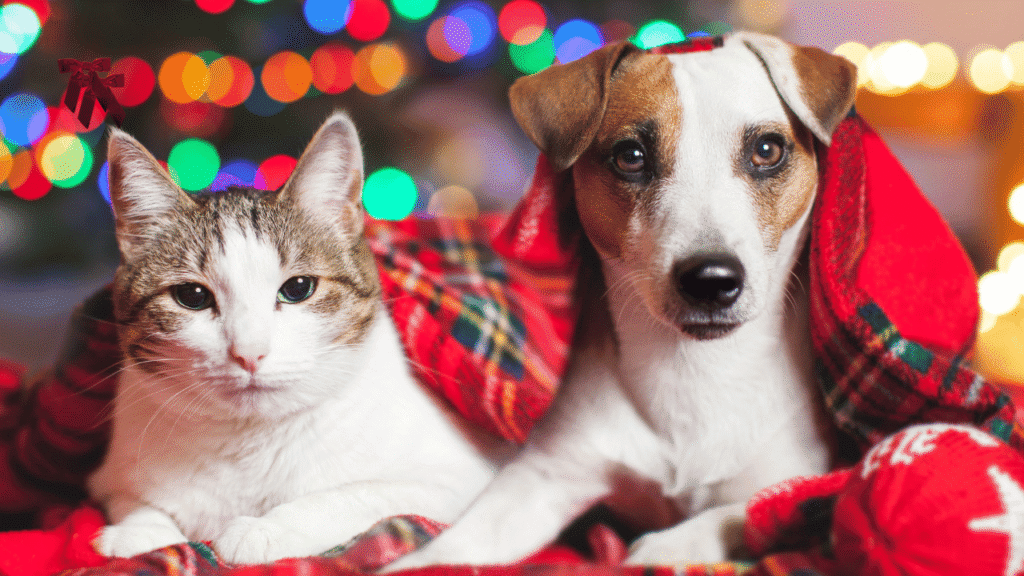
Holiday Pet Sitting
The holidays are supposed to be about relaxation, family time, and maybe a little too much eggnog. But if you’re a pet parent, that carefree vacation feeling can quickly turn into anxiety about who’s taking care of your furry family members back home.
I’ve been pet sitting for years, and every holiday season brings the same patterns. Frantic calls from people who waited too long to book. Clients who forgot to mention their cat needs medication twice a day. Dogs who get anxious when their routine changes. And let’s not forget the joy of navigating winter weather while trying to get to someone’s house three times a day.
Here’s what you actually need to know to make sure your pets are happy, safe, and well cared for while you’re gone.
Related: Direct Pet Sitting – Learn About our Services
Book Your Pet Sitter Yesterday (Or At Least Right Now)
Seriously, stop reading this and book your sitter if you haven’t already.
The week before Thanksgiving through New Year’s is when everyone travels. Your regular dog walker? Probably booked solid. That neighbor who usually helps out? She’s visiting her own family in Florida. Professional pet sitters have limited availability because we can only be in so many places per day.
I typically start getting holiday bookings in September. By mid-November, my schedule looks like a game of Tetris where nothing else fits. The clients who wait until two weeks before Christmas often end up boarding their pets at a kennel, which costs more and stresses everyone out.
If you’re reading this in October or early November, you’re golden. If it’s December and you haven’t booked anyone yet, start calling around immediately. Ask if sitters have cancellation lists you can get on.
Write Everything Down (Yes, Everything)
You know your pets better than anyone. Your sitter doesn’t, even if they’ve worked with your animals before.
Holiday schedules mess with routines. Your dog might get worked up from all the pre-trip activity and forget his house training. Your cat might hide under the bed for the first day because she knows something’s different. These changes mean we need more information than usual.
Make a detailed care sheet. Include feeding times and exact amounts (which cabinet is the food in?). List all medications with dosages and times. Write down your vet’s phone number and their holiday hours. If your vet’s office is closed, who’s the emergency backup?
Tell us about quirks. Does your dog gulp his food and then throw up if he eats too fast? Does your cat only drink from the bathroom sink? Will your rabbit thump all night if his cardboard box gets moved? These details matter.
And please, tell us where everything is. I’ve spent twenty minutes looking for cat food that was in an unmarked container in the garage. I’ve searched for leashes that were hanging on a hook behind a coat. I’ve hunted for medications that were in a drawer I’d never think to open. A simple “dog food is in the pantry, second shelf, blue bin” saves both of us time and stress.
Related: Can Rice and Chicken Soothe a Dog’s Tummy?


Get Your House Ready for Company
Your home needs to be functional for someone who doesn’t live there.
Clear some counter space in the kitchen so we have room to prep food and wash bowls. Make sure pathways to litter boxes, food stations, and water bowls are accessible. I shouldn’t have to move your luggage, boxes, or furniture to do basic pet care.
Keys are a surprisingly common problem. Test every key you’re giving us before you leave. Label them clearly. If you have multiple doors, tell us which key goes where. I’ve stood in the cold for fifteen minutes trying three different keys in a lock, wondering if I’m about to break into the wrong house.
If you have a security system, write down the code and exact instructions for disarming it. Draw a picture if you need to. “The panel is in the hallway closet behind the coats, code is 1234, hit the star button first” is so much better than a middle of the night alarm call.
Set your thermostat where you want it and tell us not to touch it. Or tell us we can adjust it. Either way is fine, but be specific. I’m not going to assume it’s okay to change your settings, but I also don’t want your pets freezing if the temperature drops unexpectedly.
Talk About Weather and Winter Emergencies Now
If you live anywhere that gets winter weather, this conversation is not optional.
What happens if there’s a blizzard while you’re gone? Do you have a snow removal service scheduled? If not, am I expected to shovel your driveway and walkway? (Spoiler alert: that’s usually a separate service and fee.) Do you have salt or sand for icy patches?
Give us contact information for your regular handyman, snow plow service, or anyone else we might need to call if something goes wrong. A frozen pipe, a furnace that stops working, a tree branch that falls on your fence during an ice storm. These things happen during winter, and we need to know who to contact.
Some sitters will handle arranging emergency services for you. Others will call you first. Talk about expectations before you leave so nobody’s caught off guard.
I also need to know your driveway and walkway will be passable. I can’t take care of your pets if I can’t physically get to your house. If you don’t have snow removal arranged and a storm hits, we’ll need to figure out a backup plan, and those are way easier to discuss ahead of time.
Related: New Sustainable Kitty Litter Options
Keep Your Pets Warm and Comfortable
Winter affects your pets differently than summer does, and they need extra care when temperatures drop.
If your dog or cat usually has access to a garage, basement, or outdoor area, think about whether that’s still safe when it’s below freezing. Even indoor pets can get cold if your heat goes out or if they’re used to sleeping in your bed but now they’re alone.
Make sure there are warm spots for your pets to curl up. Extra blankets on their favorite sleeping spots help. If you have senior pets or animals with thin coats, consider leaving out a heated pet bed (just make sure it’s designed for pets and has automatic shutoff features).
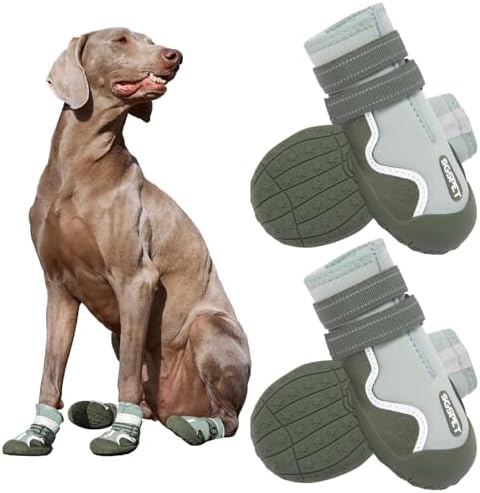
For dogs who go outside, shorter walks in extreme cold are fine. We’re not going to force your greyhound to spend thirty minutes outside in a blizzard just because that’s his normal walk time. Common sense wins here. But we do need to know if your dog has boots, a coat, or other winter gear, and where you keep it.
Check that your pets have constant access to fresh water. Heated water bowls are great if the temperature in your house tends to drop at night. Cats, especially, can be picky about cold water.
If you have outdoor cats (please reconsider this during winter), they need access to shelter that protects them from wind, snow, and ice. They need more food in cold weather because they burn extra calories staying warm. Talk to your sitter about increasing portions during extreme cold snaps.
Set Clear Communication Expectations
Some people want daily photo updates. Others just want a text if something goes wrong. Both approaches are completely fine, but you need to tell your sitter which one you prefer.
Be realistic about your availability. If you’re going on a cruise with spotty wifi, let us know. If you’re visiting family in a different time zone, tell us the best times to reach you. If you’re going completely off-grid, that’s okay too, but then we need a backup contact person who can make decisions.
Here’s the big one: talk about emergency vet visits before you leave.
If your pet needs medical care, can we take them to the vet and authorize treatment? Is there a spending limit? If your dog eats something he shouldn’t or your cat stops eating for two days, what do you want us to do?
I’ve had clients tell me to do whatever’s necessary, regardless of cost. I’ve had others ask me to call them first unless it’s life-threatening. I’ve had people give me a dollar amount where anything under that is automatic approval, and anything over requires a phone call. All of these approaches work. What doesn’t work is not discussing it at all and then having to track you down during a medical emergency.
Also, give us the contact information for a backup person. Your sister, your neighbor, your best friend, whoever. Someone local who can make decisions if you’re unreachable and something urgent happens.
Related: Living with Bears in Western New England
A Few Final Thoughts
The best pet sitting arrangements are the ones where everyone knows what to expect. You get to actually enjoy your vacation instead of worrying. Your pets stay comfortable in their own home with their regular routine mostly intact. And your sitter can do their job without playing detective or making judgment calls about things you should have discussed in advance.
Holiday travel is stressful enough without adding pet care anxiety to the mix. A little preparation and clear communication goes a long way toward making sure everyone has a good experience.
holiday pet holiday pet holiday pet holiday pet holiday pet holiday pet holiday pet holiday pet holiday pet holiday pet holiday pet holiday pet holiday pet holiday pet holiday pet